Included Stops
Curated Private Package
Martijn’s Cape Town Route: 10 Stops from Table Mountain to the Penguins
Follow Martijn Around The World through Table Mountain, Robben Island, the V&A Waterfront, Cape Point, Boulders Beach, Bo-Kaap, Cape Town beaches, the Castle, District Six and Kirstenbosch.
Cape Town for Couples
Cape Town for Families
Cape Town Nature and Hiking
Cape Peninsula
Cape Town beaches
Cape Town heritage
Cape Town travel guide
Martijn Around The World
YouTuber Tour Packages
All Travellers
Couples
Culture
Family & Kids
History
Nature & Photography
Outdoors
Curated Route Circuit
Included Destinations & Stops
Every destination included in this private package. Explore individual stops below or add the complete package to your Travel Plan.
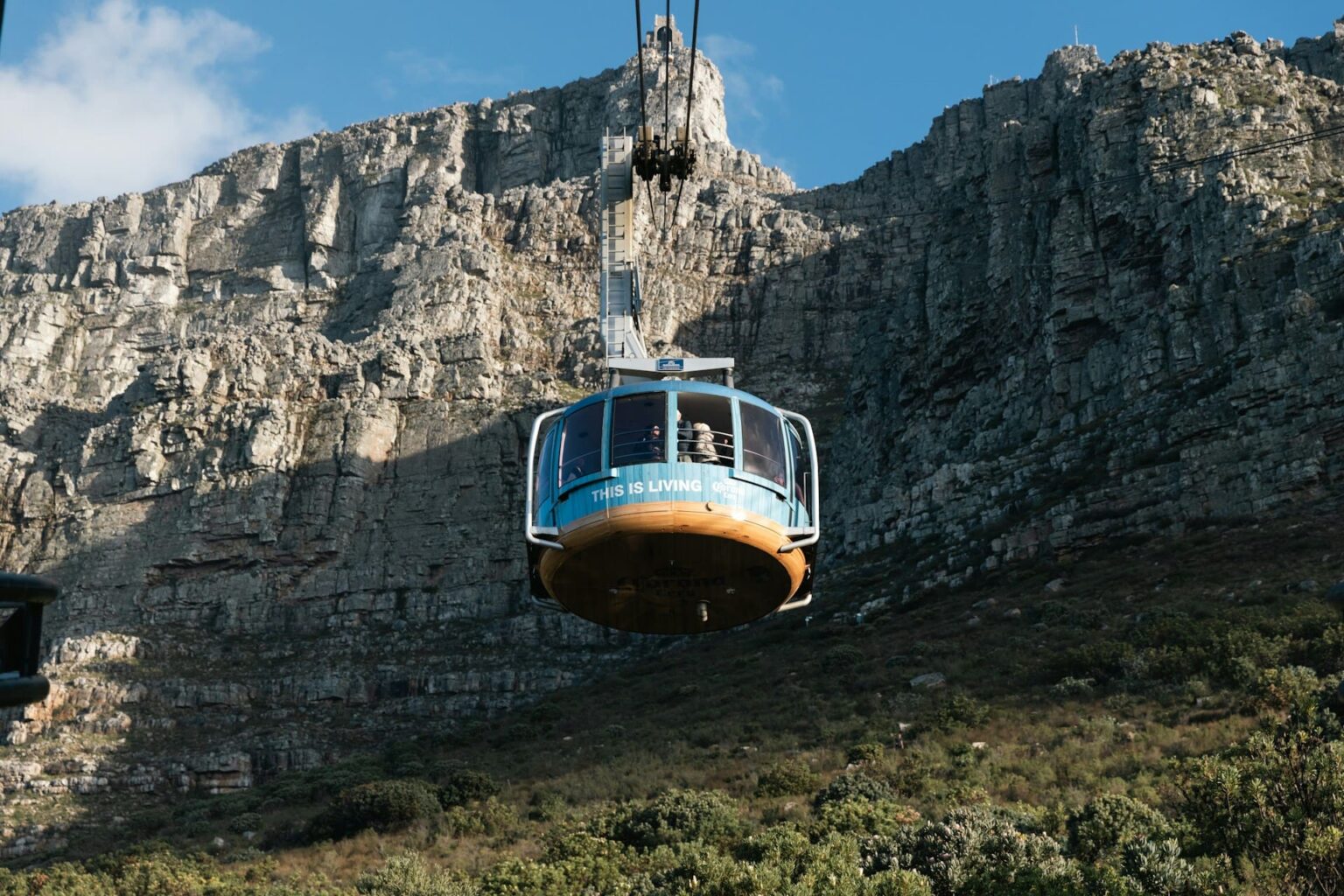
Table Mountain
Ascend Cape Town’s iconic flat-topped natural wonder by aerial cableway or hiking trail for 360-degree views…
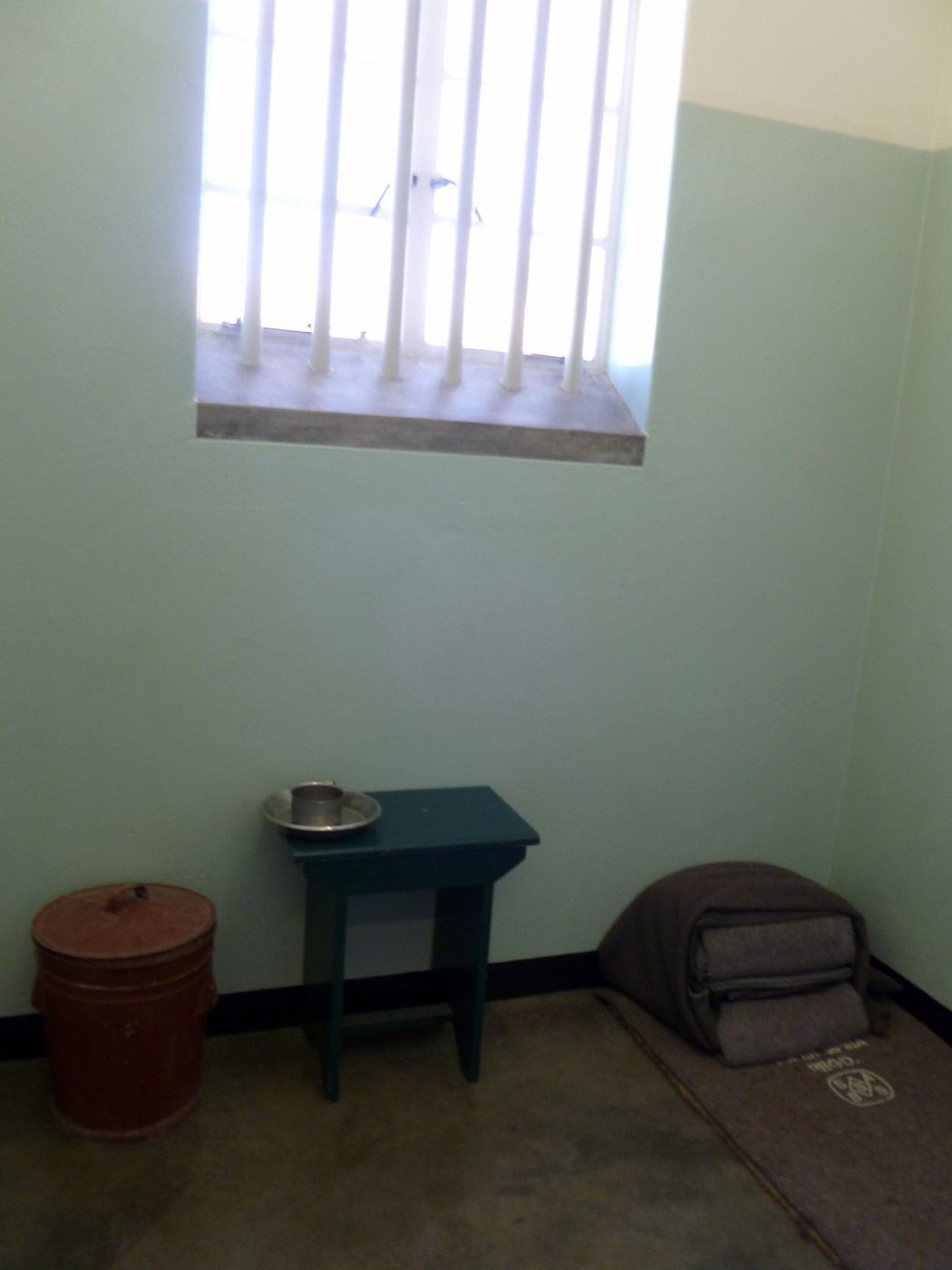
Robben Island
Robben Island Museum visits depart by ferry from the Nelson Mandela Gateway at the V&A Waterfront.…
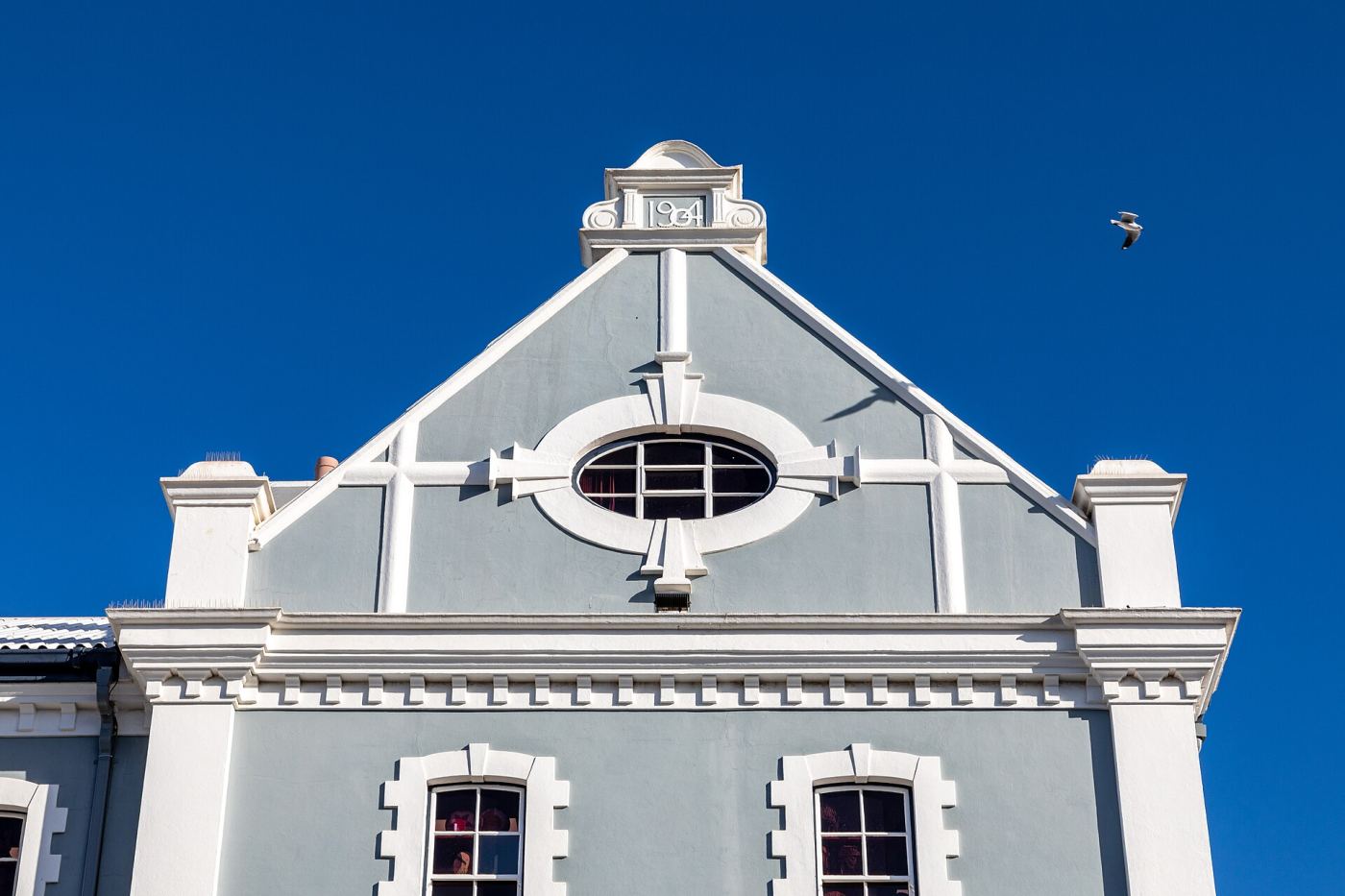
V&A Waterfront
The V&A Waterfront is a walkable Cape Town harbour precinct with food, shopping, museums, family attractions…
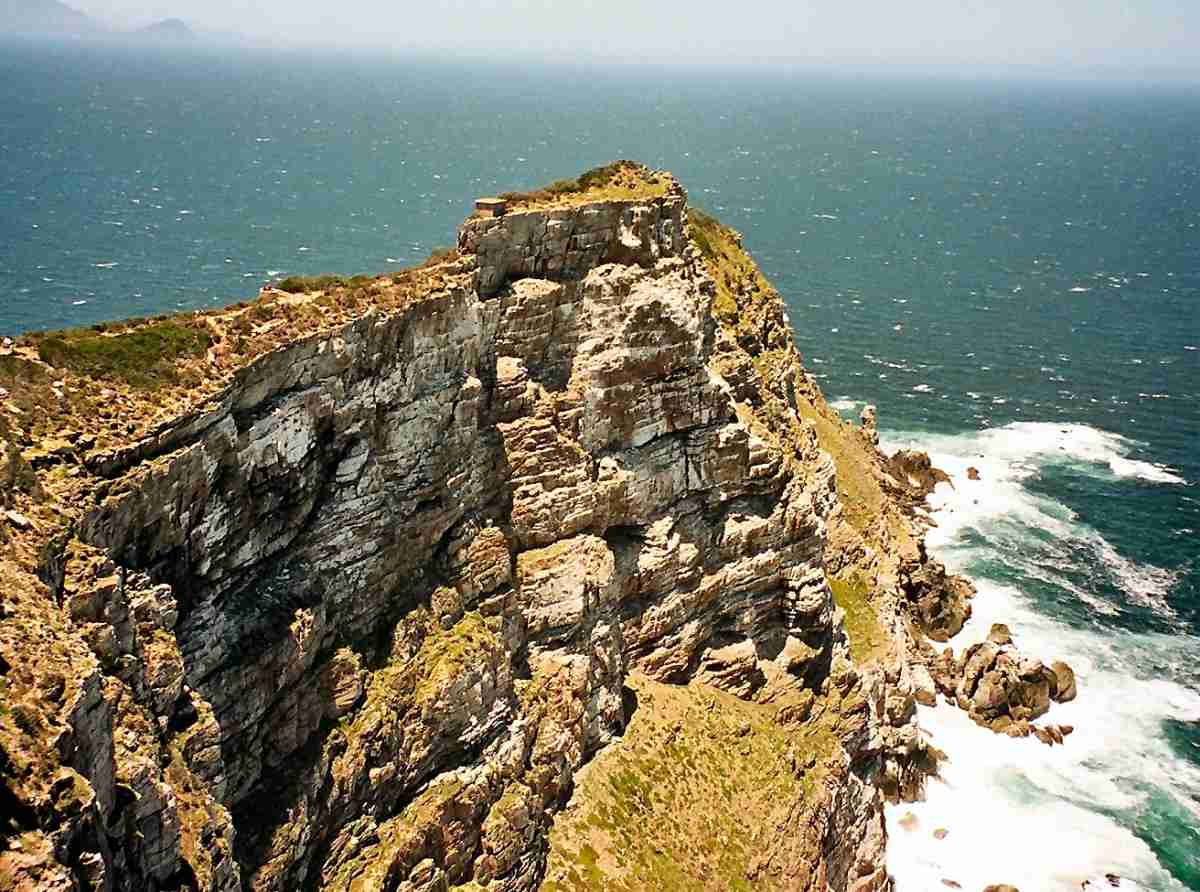
Cape Point
Plan Cape Point with lighthouse routes, Cape of Good Hope scenery, trails, current fees, wind, baboon…
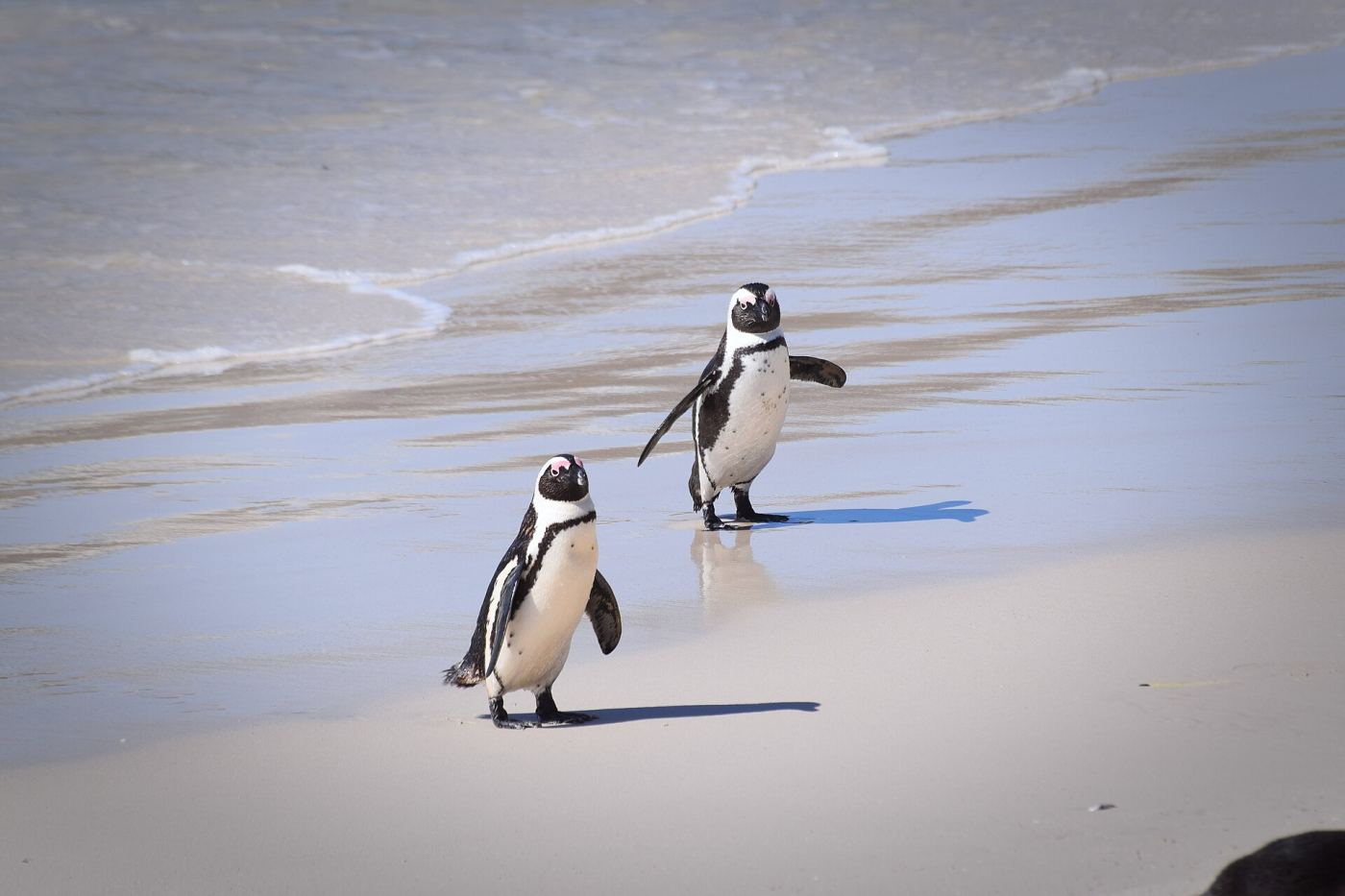
Boulders Beach
Plan a respectful Boulders Beach visit for African penguins, sheltered swimming, accessible boardwalk viewing and a…
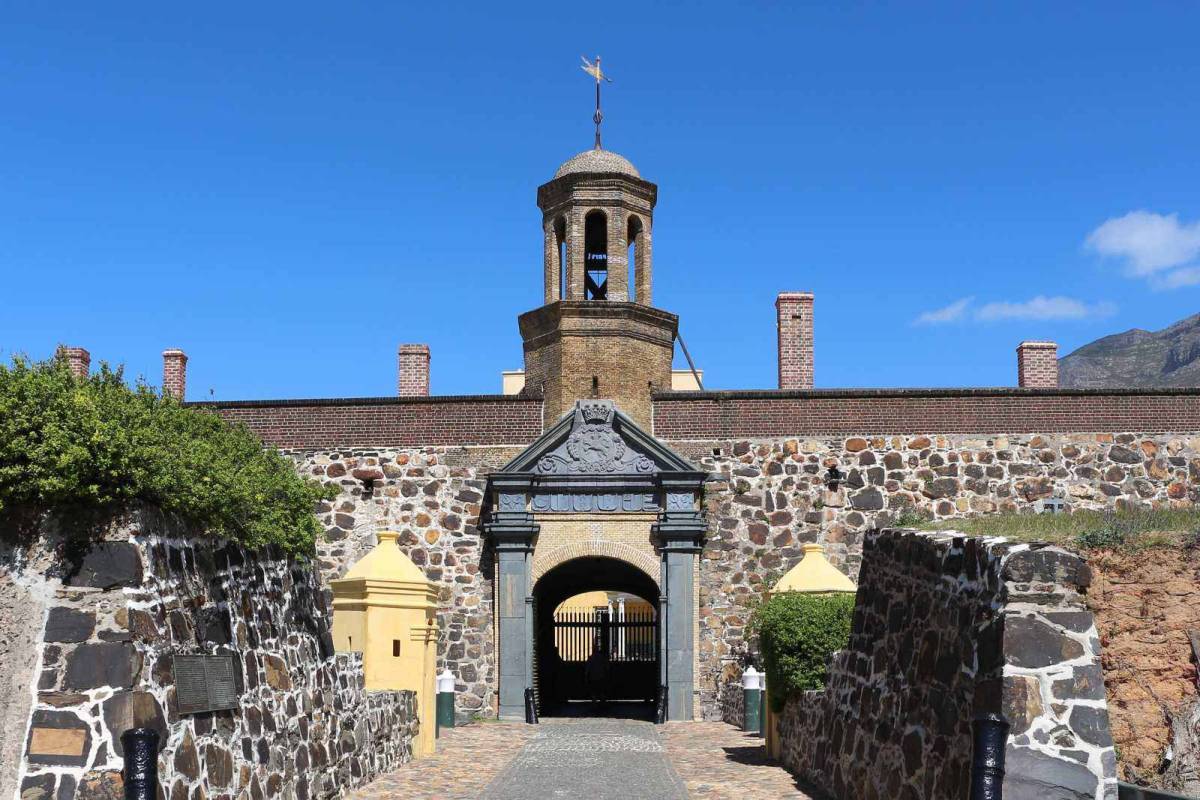
Castle of Good Hope
Plan a Castle of Good Hope visit for Cape Town history, fort architecture, museum interpretation and…
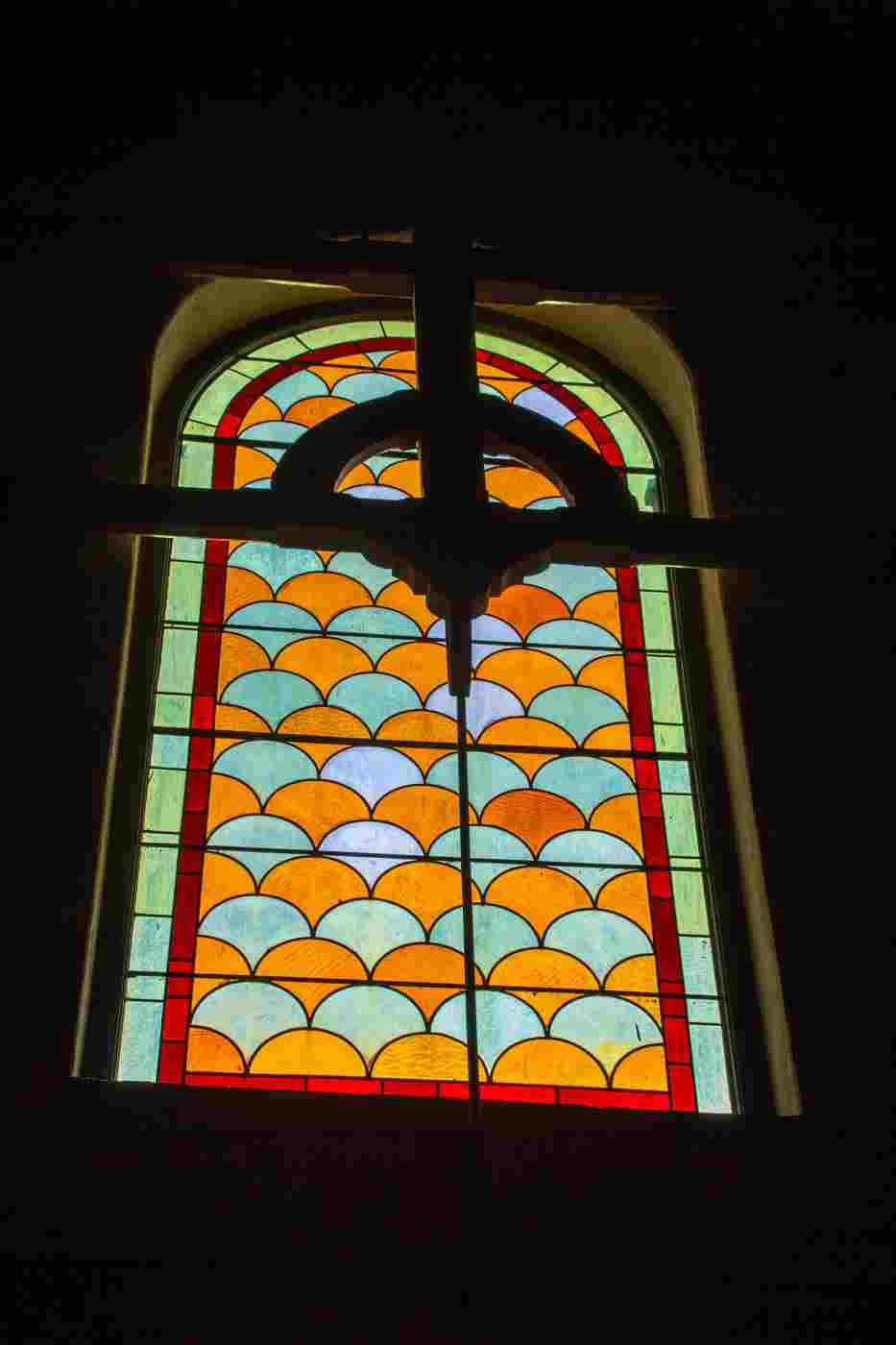
District Six Museum
Visit the District Six Museum to learn about forced removals, community memory and Cape Town’s changing…
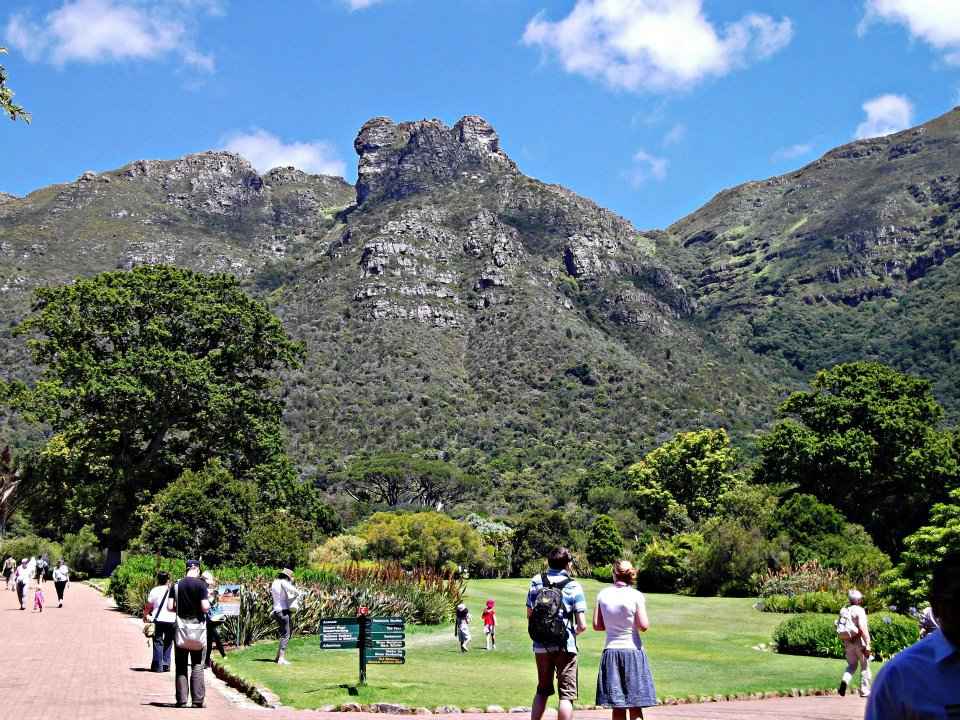
Kirstenbosch
Plan Kirstenbosch National Botanical Garden in Cape Town with Cape flora, the Boomslang canopy walkway, garden…
Destination Story
About Martijn’s Cape Town Route: 10 Stops from Table Mountain to the Penguins
Martijn Around The World · Cape Town travel guide · mountain · heritage · coastline
Martijn’s Cape Town Route: 10 Stops from Table Mountain to the Penguins
Follow Martijn Around The World’s Cape Town guide from the summit of Table Mountain to Robben Island, the V&A Waterfront, the Cape Peninsula, Bo-Kaap’s living heritage, the city’s beaches, District Six and Kirstenbosch.
mountain views · island history · ocean roads · living culture
A bright, big-hearted way to meet the Mother City
What this creator’spired package includes
Martijn’s public video description and chapter list establish a compact Cape Town route: Table Mountain, Robben Island, the V&A Waterfront, Cape Point, Boulders Beach, Bo-Kaap, Cape Town beaches, Castle of Good Hope, District Six Museum and Kirstenbosch. The ten destinations below are the stops named in the creator’s published route.
- City icons: Table Mountain and the V&A Waterfront.
- History and identity: Robben Island, Bo-Kaap, the Castle of Good Hope and District Six Museum.
- Peninsula scenery: Cape Point, Boulders Beach and a flexible Atlantic beach stop.
- Green Cape Town: Kirstenbosch on the eastern slopes of Table Mountain.
A ten-stop Cape Town route with real breathing room
This package follows the creator’s published chapter order, but it is not a promise that one traveller should squeeze every stop into a single day. Table Mountain and Robben Island each deserve a protected block; Cape Point and Boulders are best treated as a Peninsula day; Bo-Kaap, the Castle and District Six belong to a slower City Bowl and heritage rhythm.
Use the chapter list as inspiration, then let weather, ferry availability, traffic, seasonal hours and your own pace decide the final plan. The destination guides linked below carry the practical detail for each stop; check them again before you travel.
1. Table Mountain: begin above the city
Table Mountain gives the route its natural opening scene: a flat-topped landmark rising above the City Bowl, harbour and Atlantic edge. A Cableway visit is weather-dependent, while hiking routes vary sharply in length, exposure and difficulty. The official Cableway advises visitors to check operating status and weather before travelling; its access information also details the shuttle, MyCiTi connections and wheelchair routes.
Allow enough time for queues, summit paths and changing cloud rather than treating the ride as a quick photo stop. + Table Mountain has the route-specific planning and safety detail.
2. Robben Island: the horizon carries memory
The ferry from the Nelson Mandela Gateway at the V&A Waterfront changes the scale of the trip. Robben Island is a World Heritage place and a national estate, not merely a scenic boat ride: the museum’s history includes imprisonment, resistance and the long work of preserving difficult memories.
The official museum describes the visit as roughly three and a half hours including the ferry, with tour availability and sea conditions affecting the day. Book the ferry before building other timed plans around it. + Robben Island keeps the heritage and ferry guidance together.
3. V&A Waterfront: harbour life between the big sights
The V&A Waterfront is where the route can pause without becoming quiet. Its official history describes a shoreline shaped by arrival, trade, communities and cultural exchange; today the precinct still combines a working harbour with food, shopping, museums, boats and public walking routes beneath Table Mountain.
It is a useful planning hinge: Robben Island departures leave from here, while the Waterfront can also carry a meal, an easy stroll or a weather backup. Check current roadworks, parking and public transport notices before arrival. + V&A Waterfront is the canonical guide for the precinct.
4. Cape Point: the road becomes part of the day
Cape Point adds distance, wind and a sense of arrival. The reserve’s current visitor information covers the gate, the Flying Dutchman funicular, viewpoints, beaches, trails and the rich fynbos setting. It also makes one practical truth clear: entry and funicular tickets are separate decisions, and hours change seasonally.
Keep food sealed around baboons, stay on marked routes and allow more time than a single lookout photograph suggests. + Cape Point explains how to shape the reserve into a realistic Peninsula day.
5. Boulders Beach: penguins, granite and a sheltered cove
At Boulders, the route swaps Cape Point’s exposed cliffs for a protected False Bay setting and one of the Cape’s most recognisable wildlife encounters. SANParks describes a complex of beaches, a penguin viewing area and boardwalks designed to keep visitors close enough to see the colony without disturbing it.
The best part of the visit is not getting closer at any cost. Stay on the boardwalks, never touch or feed a penguin, and treat the water as changeable even where the cove looks calm. + Boulders Beach brings together conservation, access and swimming notes.
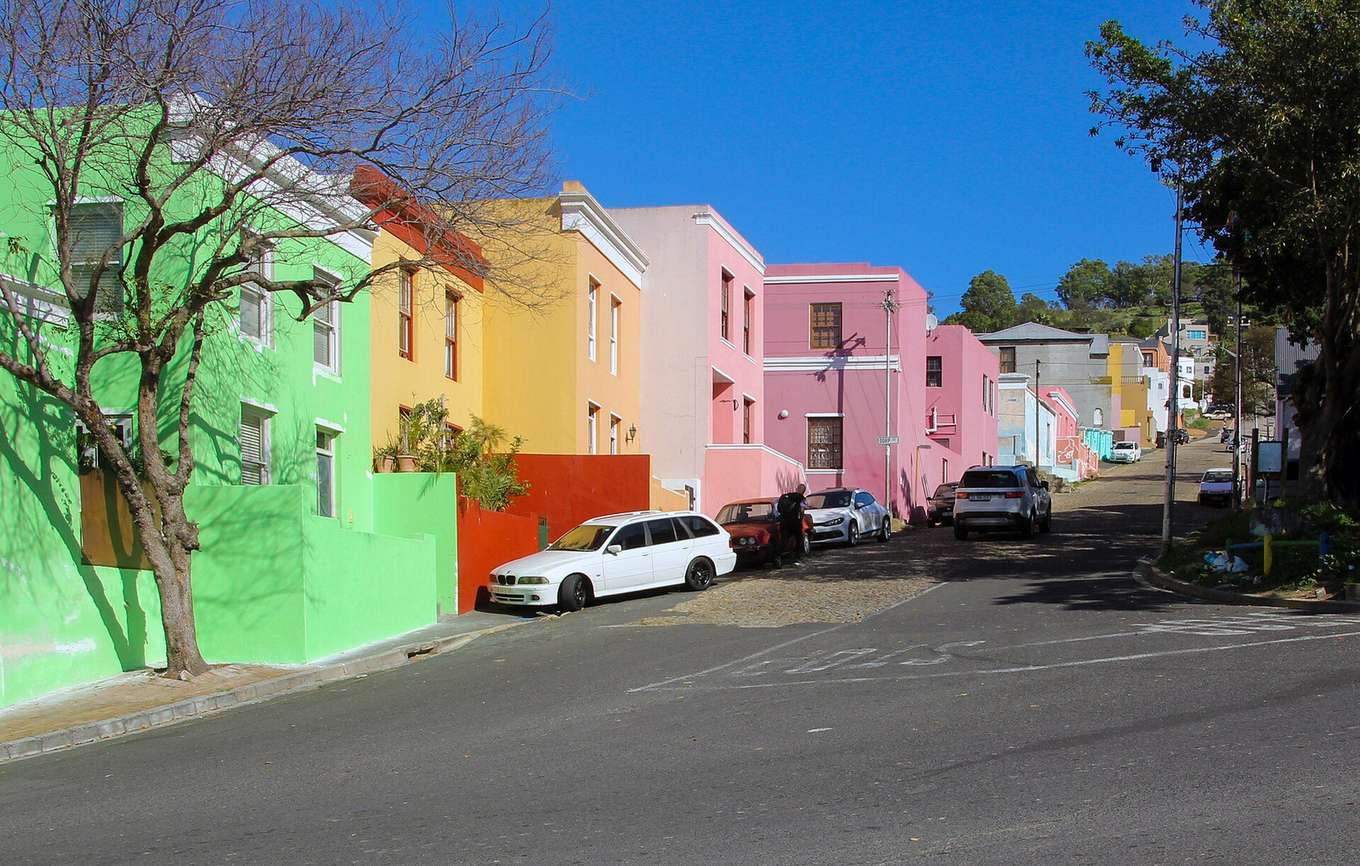
6. Bo-Kaap: colour is only the first layer
Bo-Kaap turns the route inward, from coast and mountain to a living neighbourhood with Cape Malay history, mosques, food traditions and streets that are still home to residents. The Iziko Bo-Kaap Museum occupies an eighteenth-century house and helps visitors see the area as a historical community rather than a collection of colourful façades.
Walk gently: streets can be steep, surfaces uneven and homes private. Ask before photographing people, respect worship and avoid turning residential life into a backdrop. + Bo-Kaap is the detailed heritage and respectful-visiting record.
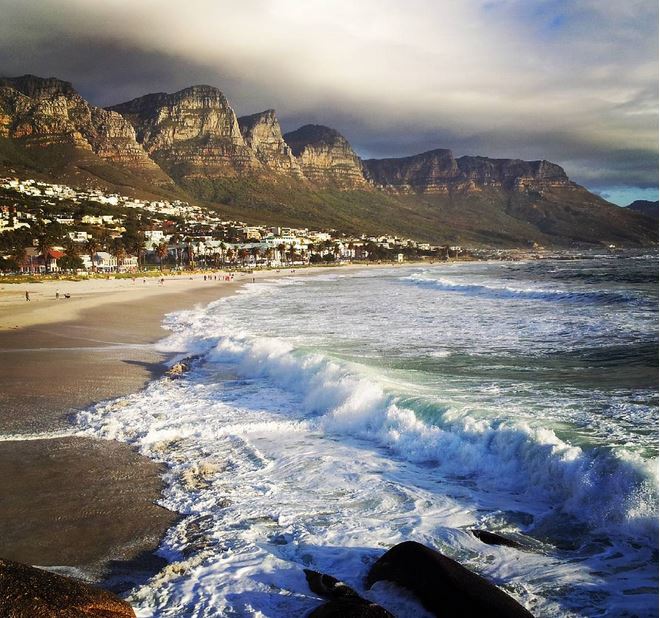
7. Cape Town beaches: choose the water, not just the photograph
Martijn’s chapter is broad—Cape Town beaches rather than one named strip—so the most useful way to plan it is by conditions and mood. Camps Bay offers a dramatic Atlantic Seaboard setting and a tidal pool; Clifton, Sea Point and False Bay beaches create different combinations of shelter, wind, sand and access.
The City of Cape Town’s water-safety guidance is wonderfully plain: swim between the red-and-yellow flags, watch children closely, stay sober around water and never fight a rip current. + Camps Bay is the existing canonical beach guide used for this broad chapter signal.
8. Castle of Good Hope: Cape Town’s built history
The Castle of Good Hope gives the city section physical weight. The surviving pentagonal fort was built by the Dutch East India Company between 1666 and 1679 and now sits inland because Table Bay’s shoreline moved through reclamation. Its courtyards, bastions, bell tower and military collections hold several overlapping histories, including colonial power, imprisonment and the making of Cape Town.
Go for the architecture and the context, not a simplified “oldest building” soundbite. Check the official visitor information for opening days, last ticket times and current fees. + Castle of Good Hope keeps the heritage and planning detail in one place.
9. District Six Museum: listen before you look
District Six Museum changes the emotional register again. Its permanent exhibition and oral-history work are rooted in the forced removals that broke up a diverse inner-city community; the museum’s own account traces the foundation from the 1988 Hands Off District Six conference to its launch in 1994.
This is a place for attention rather than a quick checklist. The museum currently advises visitors to check opening information and book where required, with former residents no longer available for ordinary walk-in guided tours. + District Six Museum explains how to approach the visit respectfully.
10. Kirstenbosch: finish where mountain and garden meet
Kirstenbosch gives Martijn’s route a softer final movement. SANBI places the garden against Table Mountain’s eastern slopes, where indigenous plants, lawns, forest paths, seasonal displays and the Boomslang canopy walk create a very different way to experience the same mountain.
The garden is large and steep in parts. SANBI confirms that the visitor facilities and many lower paths are wheelchair accessible, while upper-slope areas and some signature routes need assistance or may not suit every visitor. + Kirstenbosch helps you choose a route that fits your time and mobility.
Access, transport and practical planning
This is a geographically wide route. A private vehicle or prepared driver makes Cape Point, Boulders and Kirstenbosch easier to combine, while MyCiTi can be useful for the city, Waterfront and selected Atlantic Seaboard connections. The official journey planner provides current routes and bus times; don’t rely on an old printed timetable for a day with several connections.
- Book first: Robben Island ferry and any timed attraction with limited capacity.
- Check on the day: Table Mountain Cableway weather status, Cape Point hours, beach flags, sea conditions and road traffic.
- Respect place: keep wildlife wild, ask before photographing residents and give heritage sites the time and attention they ask for.
- Build in slack: Peninsula roads, queues, wind and museum conversations all take longer than a chapter list suggests.
Watch Martijn Around The World’s Cape Town guide
Places in Martijn’s Cape Town route
| Place | Type | Plan |
|---|---|---|
| Table Mountain | Mountain landmark and Cableway | View |
| Robben Island | World Heritage island museum and ferry | View |
| V&A Waterfront | Working harbour, heritage and visitor precinct | View |
| Cape Point | National park, lighthouse and fynbos coast | View |
| Boulders Beach | African penguin colony and sheltered cove | View |
| Bo-Kaap | Living Cape Malay heritage neighbourhood | View |
| Camps Bay | Atlantic beach representative for the broad beach chapter | View |
| Castle of Good Hope | Seventeenth-century fort and heritage museum | View |
| District Six Museum | Community memory, oral history and museum | View |
| Kirstenbosch | National botanical garden and mountain slopes | View |
Frequently asked questions
How many days should this Martijn-inspired route take?
Three to five days is more realistic than one packed day: protect one block for Table Mountain, one for Robben Island and the city heritage stops, and one full day for Cape Point and Boulders. Kirstenbosch and a beach can move around the weather.
Are these the exact stops shown in the video?
They are The ten stops named in the public description and chapter list, in that published order. The video is creator evidence for the route, not a substitute for current operating information at each place.
Which stops need advance planning?
Start with Robben Island and any timed Cableway or ticketed attraction. Check Cape Point and Boulders fees, Table Mountain weather, museum hours, traffic and beach conditions shortly before the day.
Is Camps Bay definitely the beach shown by Martijn?
The public chapter says “Cape Town Beaches” rather than naming a single beach. Camps Bay is retained as the existing TruCape representative beach product, and the broad evidence is labelled rather than presented as a more precise creator claim.
Sources and review note
Reviewed 9 October 2026. The creator route comes from Martijn Around The World’s public YouTube description and chapter list. Current access, heritage, transport, safety and accessibility notes were checked against official, municipal, heritage and specialist sources. This is an independent creator’spired package and does not imply endorsement by Martijn or any listed destination.
- Martijn Around The World — original Cape Town video
- Martijn Around The World — YouTube channel
- Martijn Kolkman — Instagram
- Table Mountain Aerial Cableway — access and weather
- Robben Island Museum — official visitor information
- V&A Waterfront — official history and visitor context
- Cape Point — official visitor information
- SANParks — Boulders Penguin Colony
- Iziko Museums — Bo-Kaap Museum
- Castle of Good Hope — official history and visitor information
- District Six Museum — official visitor information
- SANBI Kirstenbosch — visitor information and accessibility
- City of Cape Town — water safety
- MyCiTi — official journey planner
Local Planning Notes
What to keep in mind before you travel.
The creator description and chapters establish route signals, while current hours, fees, access, safety and transport must be checked with each official place source.
01
Access & Terrain
Mixed route: Cableway, ferry, museums, steep heritage streets, beaches, national park paths and botanical-garden slopes; check each child product
02
Best Visit Time
Flexible multi-day route; check mountain weather, ferry availability, Peninsula traffic, beach conditions and seasonal opening hours
03
Verified Chauffeur
Igshaan Jonathan · Local Route Planner
04
Private Vehicle
Door-to-door flexibility on your terms.
Explore Further
View all places →
Curated Places in Cape Town for Couples
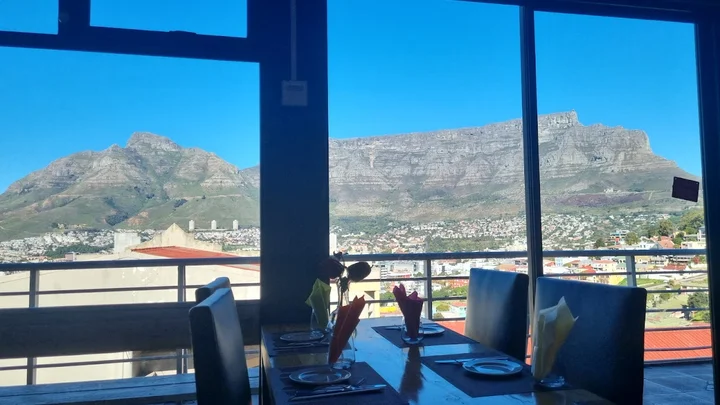
Bo-Kaap Kombuis
Authentic Cape Malay family restaurant perched high on August Street in Bo-Kaap/Schotsche Kloof, offering panoramic Table…
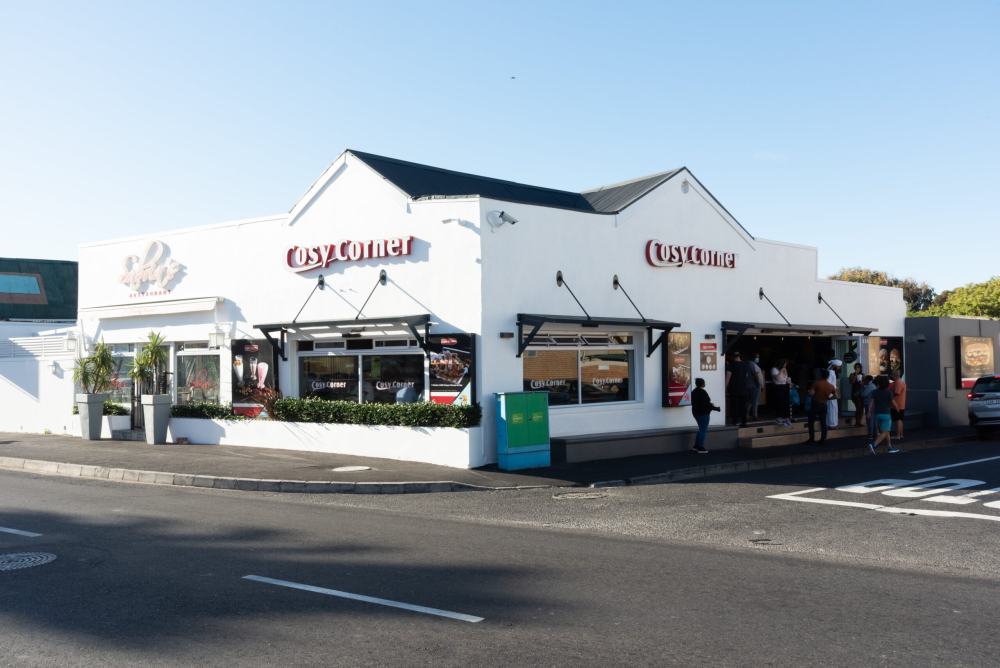
Cosy Corner
Wynberg’s historic 1973 sit-down Halaal institution on Ottery Road, world-famous for flame-chargrilled Full House Rump Steak…
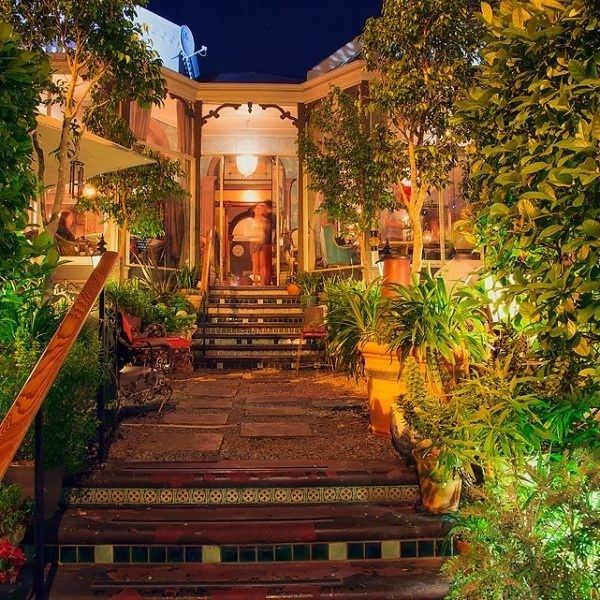
Kloof Street House
Find Kloof Street House in Gardens for its Victorian-house setting, garden dining and brasserie menu; confirm…

Wembley Roadhouse
Cape Town’s legendary 1930s nostalgic drive-in roadhouse in Athlone, world-renowned for carhop window service, towering double-decker…
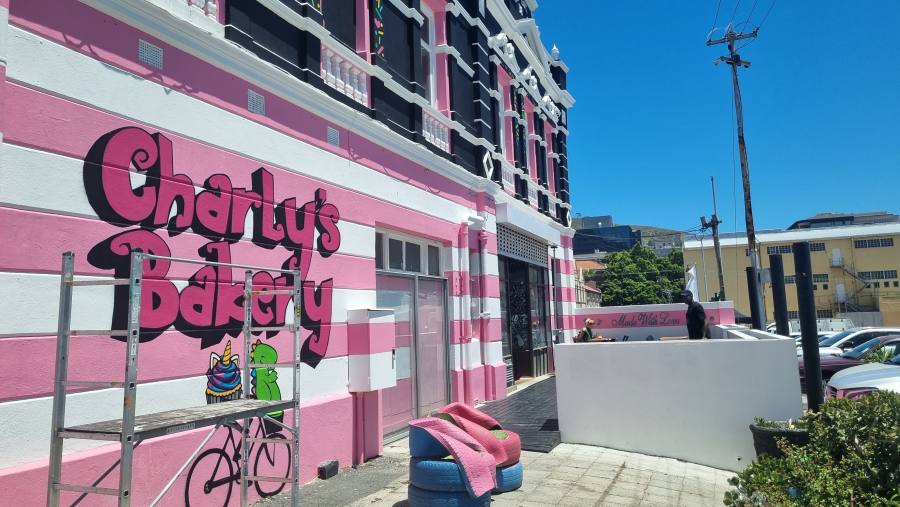
Charly’s Bakery
Plan a Charly’s Bakery stop on Canterbury Street in District Six for cakes, cupcakes, pastries and…
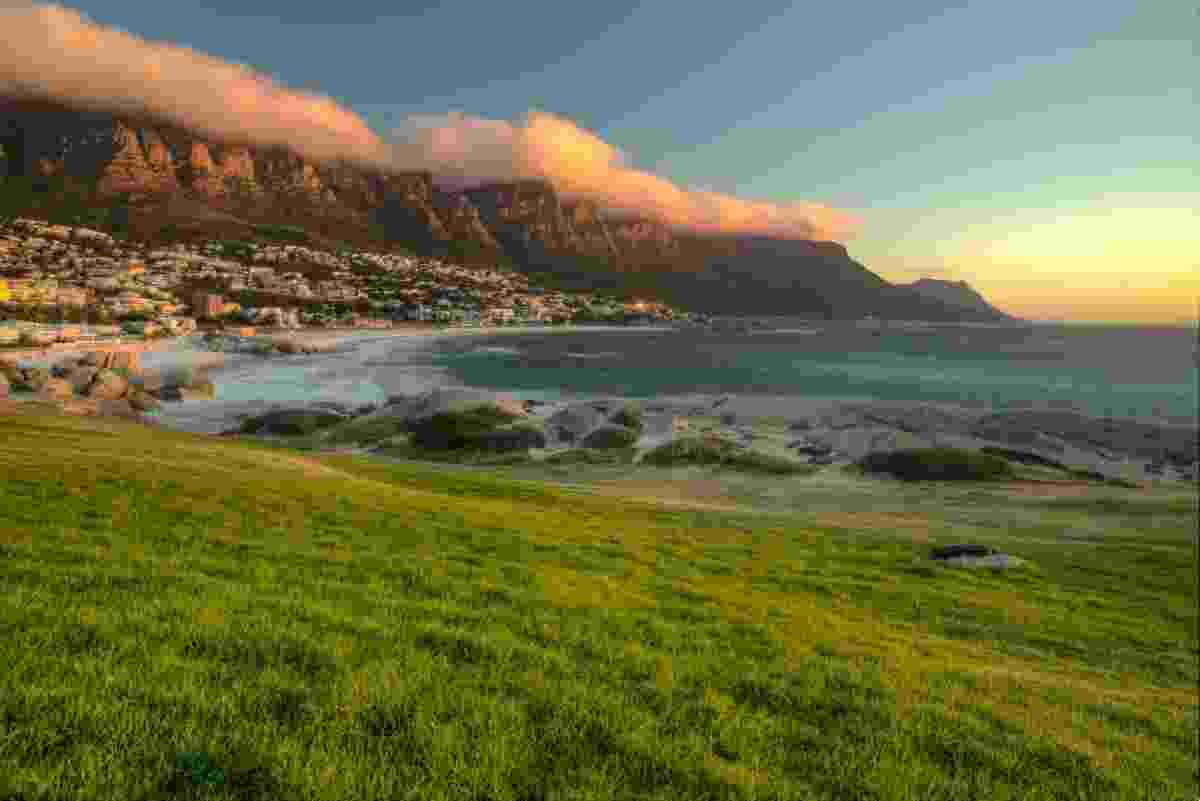
Maiden’s Cove Beach Cape Town
Plan a tidal-pool swim, picnic, braai or sunset at Maiden’s Cove between Clifton and Camps Bay,…
Curated Travel Routes
View all tours →
Popular Cape Town Destinations
 Private package
Expedia’s Cape Town Grand Tour: City Stories, Beaches and Wine-Country Roads
A creator-inspired Cape Town route through city history, beaches, wildlife, mountains, False Bay and the Winelands.
Castle of Good Hope
Company’s Garden
Iziko South African Museum & Planetarium Cape Town
Iziko South African National Gallery
 Private package
Rhett & Claire’s Cape Town Route: The Perfect 10-Day Adventure
A creator-inspired ten-day Cape Town framework through the Peninsula, beaches, mountains, safari, Winelands, museums, heritage and food.
Sea Point Promenade
V&A Waterfront
Table Mountain
Constantia
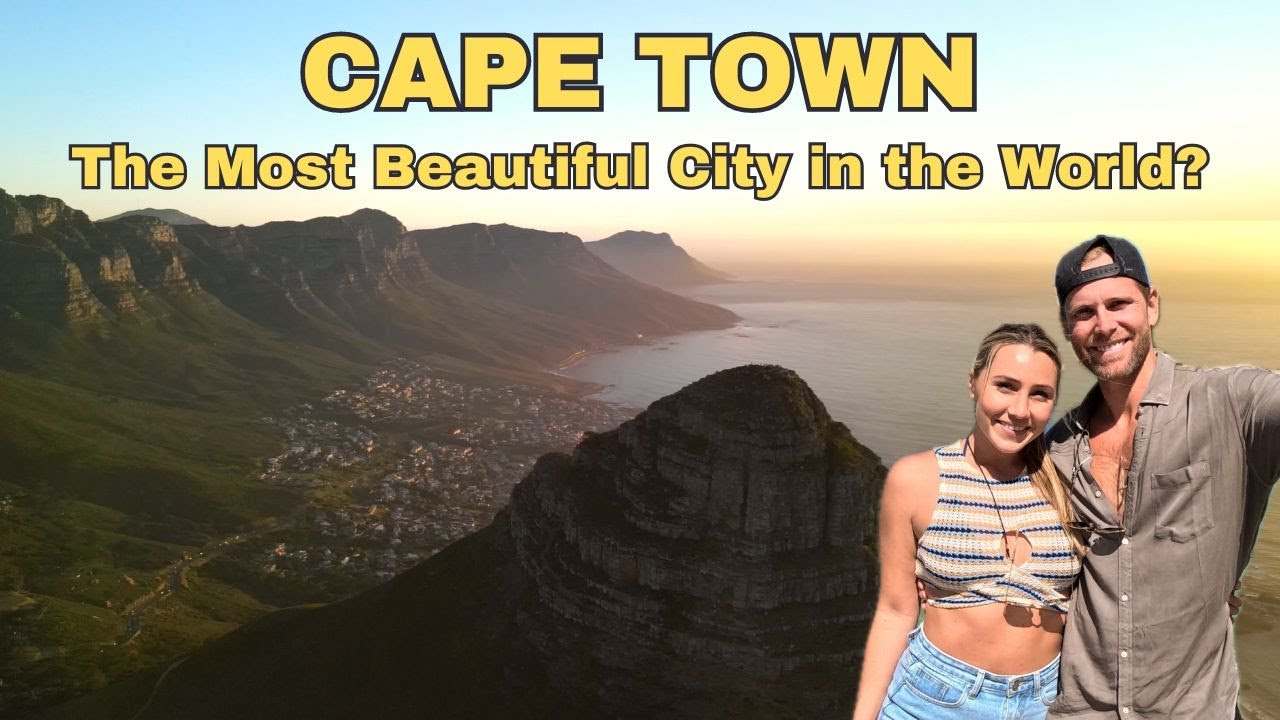 Private package
Topline Travels’ Cape Town Adventure: Coast, Wine and Mountain Views
A creator-inspired Cape Town route through penguins, ocean roads, mountain trails, markets, neighbourhoods, beaches and the Winelands.
Green Point Park and Biodiversity Showcase Garden
Boulders Beach
Chapman’s Peak Drive
Lion’s Head
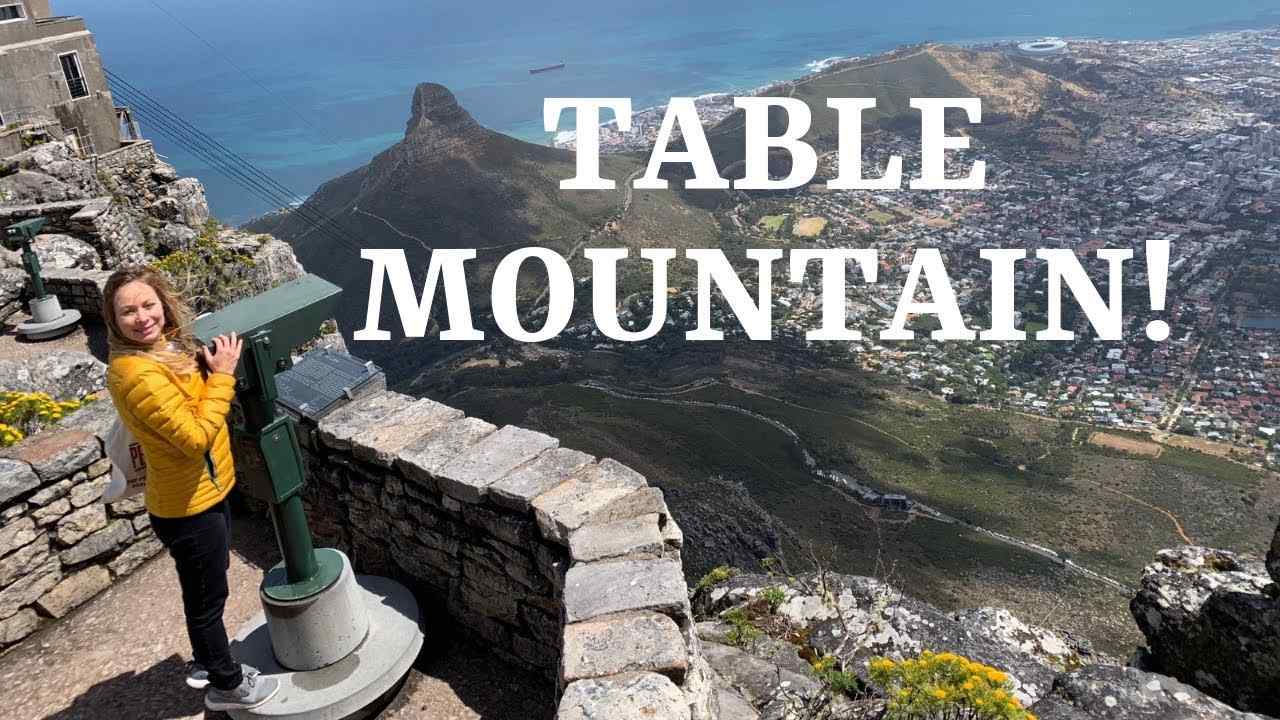 Private package
Run The Atlas Cape Town: The Day Trip That Keeps Unfolding
Follow Run The Atlas from Table Mountain through Cape Town’s food, heritage, beaches, gardens, wine country and Cape Peninsula.
Table Mountain
Signal Hill Sunset
Cloud 9 Mountain Club Rooftop
V&A Waterfront
Private package
Jens Journeyz’s Cape Town Route: Coast, Wine and City Lights
A creator-inspired Cape Town route through coastlines, gardens, wine country, the Peninsula, city culture, food and sunset hikes.
Camps Bay
Sea Point Promenade
Mojo Market Sea Point
V&A Waterfront
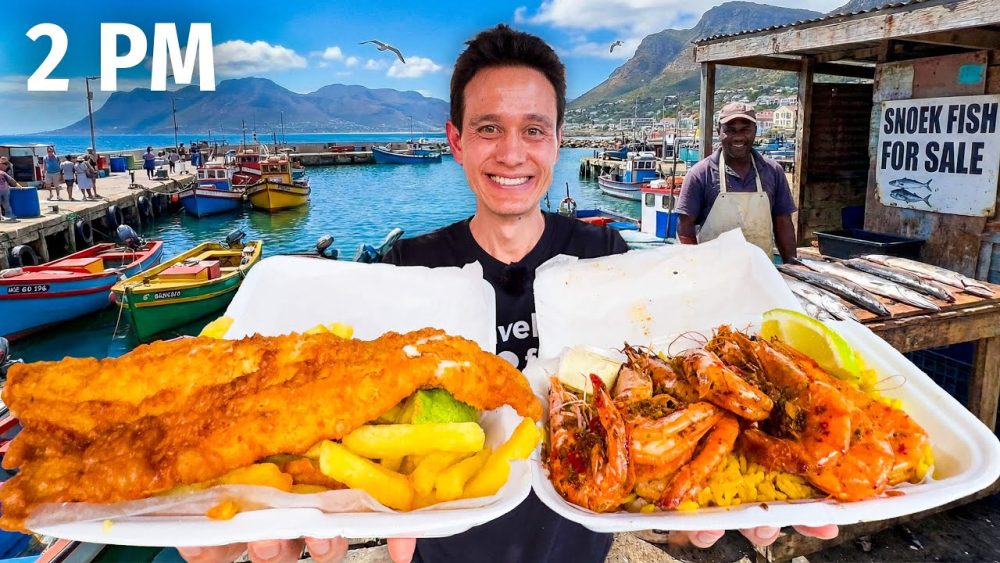 Private package
Mark Wiens’ Cape Town Food & City Challenge: Gatsby, Penguins and Constantia Wine
Follow Mark Wiens through coffee, gatsbys, Table Mountain, Constantia wine, Cape Peninsula seafood and Cape Malay cooking.
Truth Coffee Cape Town
Mariam’s Kitchen
Table Mountain
Constantia Glen Wine Estate Cape Town
Destination Categories