Duration
Cape Town Destination
Llandudno Beach Cape Town
Plan Llandudno Beach in Cape Town for Atlantic scenery, surfing, sunsets, boulders, low-facility beach days, current water guidance and practical access advice.
Cape Town for Families
Atlantic seaboard
Beach safety
Cape Town beaches
Coastal photography
Llandudno
Llandudno Beach
Picnic
Sunset
Surfing
All Travellers
Family & Kids
Outdoors
Destination Story
About Llandudno Beach Cape Town
Atlantic Seaboard beach · surf · sunsets · low-facility planning
Llandudno Beach is a beautiful, boulder-framed Atlantic cove below the Twelve Apostles, best approached as a scenic, low-facility beach day for surfing, photographs, picnics and sunset rather than a fully serviced swimming resort.
At a glance
- Where: Llandudno on the Atlantic Seaboard; current sources refer to Leeukoppie Road and Llandudno Road.
- What it feels like: a compact white-sand cove surrounded by granite boulders, natural vegetation and open Atlantic views.
- Best for: surfing, coastal photography, picnics, sunsets and a quieter-feeling beach stop when conditions allow.
- Facilities: plan for limited services; Cape Town Tourism notes an ablution block rather than a full beachfront commercial strip.
- Current note: swell, currents, water quality, lifeguards, seasonal status, parking and access can change.
A beach that asks you to bring your own rhythm
Llandudno is not a beach where you wander from café to café. The attraction is the setting: pale sand, large rocks, green slopes, surf and a wide piece of Atlantic sky. Bring the things you need, settle in, and let the coast do the work.
Its beauty comes with fewer conveniences. Cape Town Tourism’s beach guide describes limited facilities, while specialist local guidance also treats it as a no-frills beach. Pack water, sun protection, a towel, food and a layer for the wind rather than expecting a reliable shop or restaurant on the sand.
Landscape, identity and the Llandudno setting
Cape Town Tourism places the beach below Judas Peak and Klein Leeukoppie—“Little Lion’s Head”—with milkwood and natural bush around the cove. The boulders, folds of mountain and changing sand line make Llandudno feel distinct from the broad restaurant-backed sweep of Camps Bay or the four small coves of Clifton.
The Cape Town coastal map notes that Llandudno takes its name from a beach in Wales with a similar appearance. That small naming link is part of the place’s identity, but the experience here is unmistakably Atlantic Cape Town: cold water, surf, granite and fast-changing light.
What to do at Llandudno Beach
- Surf or watch the surf: Llandudno is a recognised local surf spot, but conditions and ability requirements matter more than a travel video suggests.
- Photograph the cove: work the boulders, waterline and mountain framing, while keeping clear of unstable rocks and other beach users.
- Have a proper picnic: bring everything you want to eat and drink; leave no food packaging or bottles behind.
- Stay for sunset: the setting is especially rewarding when the horizon is clear, but plan your exit before darkness and check return transport.
- Walk around the coastal setting: Sandy Bay is a separate beach reached by a path from the Llandudno area; treat it as a separate outing with its own access, privacy and safety considerations.
Seasonal life and recurring beach conditions
Llandudno’s character changes with the seasons. Cape Town Tourism’s 2026 beach guide notes summer dog restrictions between 09:00 and 18:00 from November to March, while Blue Flag status and lifeguard arrangements are seasonal rather than permanent. CityNews listed Llandudno among the 2025/26 Blue Flag beaches, but that dated status should never be carried forward automatically.
Winter storms can move or remove sand and expose more rock; summer winds and changing swell alter the water and the feel of the beach. Check current City Beach Alerts, signage and lifeguard information on the day.
Access, transport and accessibility
Use a current map for the final approach because public sources name the access road differently. The beach sits below a residential hillside, and local parking guidance describes a small parking area that can fill around popular periods and sunset. Arrive with time, park legally and don’t leave valuables visible.
For public transport, check the current MyCiTi journey planner and confirm the last walking section before setting out. A bus stop or road drop-off is not the same thing as step-free access to the sand.
Step-free beach access should not be assumed. Specialist local guidance describes steep steps and soft, uneven sand, which can be difficult for wheelchairs, prams and some visitors with limited mobility. Ask locally about current access conditions and choose a viewpoint or nearby coastal stop if the sand and stairs do not suit your group.
Swimming, surf and responsible beach safety
The Atlantic water is famously cold, and the local improvement district warns that changing sandbanks, swell and currents can pull an unwary bather out to sea. Choose a lifeguarded beach when you want to swim, stay between the red-and-yellow flags where present, follow lifeguard instructions, supervise children closely and never swim alone or after drinking.
Check Cape Town Beach Alerts The City’s dashboard shows recent and long-term water-quality information and warnings, but it explains that results are not real-time. Rainfall, stormwater, wind and swell can change the practical situation between samples.
Treat the rocks as scenery, not a climbing course. Wet boulders, waves and changing tides are unforgiving. Keep dogs, children and boards under control, avoid fragile vegetation, take rubbish home and leave the cove as you found it.
What visitors tend to say
Recent visitor reviews consistently praise the scenery, surf-watching, clean-looking sand and sense of escape, while also mentioning the cold water and the beach’s smaller scale. A Tripadvisor listing showed 4.6/5 from 107 reviews when checked in September 2026; that is a time-stamped visitor signal, not a promise that every visit will feel quiet, safe or perfectly maintained.
The honest trade-off is part of the appeal: Llandudno can feel wonderfully removed from the city, but that means limited services, a more involved access route and a greater need to watch the weather and water yourself.
Is Llandudno Beach good for swimming?
It can be, but the Atlantic is cold and currents, swell and lifeguard arrangements vary. Check Beach Alerts, use a lifeguarded area when available, swim between the flags and follow local instructions.
Are there restaurants and shops at Llandudno Beach?
Plan as though there are not. Cape Town Tourism describes limited facilities, so bring water, food, sun protection and anything else your group needs.
Is Llandudno Beach accessible for wheelchairs or prams?
Step-free access should not be assumed. The approach includes steps and the beach has soft, uneven sand according to specialist local guidance. Check current conditions and consider a nearby accessible viewpoint if needed.
Can I take my dog to Llandudno?
Current rules are seasonal. Cape Town Tourism notes no dogs between 09:00 and 18:00 from November to March; check signs and current City information before bringing a dog.
Can I walk from Llandudno to Sandy Bay?
Sandy Bay is reached by a separate path from the Llandudno area, but it is not simply an extension of the accessible beach. Allow extra time, stay aware of the route and treat the destination’s privacy and clothing-optional context respectfully.
What is the best time to visit Llandudno Beach?
Choose the time around weather, swell, wind, parking and your reason for going. Earlier daytime visits give you more daylight and planning margin; sunset can be beautiful but requires a deliberate return plan.
Plan your visit
Check the water and weather before you drive. Confirm the current Beach Alerts status, seasonal rules, access, swell and return transport; then pack for a low-facility beach day.
Check current beach conditions Read Cape Town Tourism’s beach guide
Sources and review note
Reviewed 29 September 2026. Water quality, swell, currents, lifeguards, Blue Flag status, dog rules, access, parking and facilities are current-sensitive. City Beach Alerts and municipal information establish current safety and water-planning guidance; Cape Town Tourism and local sources add landscape and practical context; visitor reviews are used only for attributed experience synthesis. The Topline Travels video is route inspiration, not proof of current conditions.
- City of Cape Town — Beach Alerts
- City of Cape Town — Beach Alerts important information
- CityNews — 2025/26 Blue Flag beach notice
- Cape Town Tourism — 2026 beach guide
- Cape Town Tourism — best beaches guide
- Cape Town Tourism — coastal map
- Llandudno City Improvement District — beach context
- Cape Town is Loved — practical beach context
- Tripadvisor — attributed visitor reviews
- Topline Travels — original Cape Town video
Local Planning Notes
What to keep in mind before you travel.
Check City Beach Alerts, swell, water quality, seasonal dog rules, lifeguard arrangements and return transport. Bring food, water, sun protection and a warm layer.
01
Access & Terrain
Residential hillside approach with steps and soft, uneven sand; step-free beach access should not be assumed
02
Best Visit Time
Daytime for the largest safety and transport margin; sunset can be beautiful but requires current parking, weather, swell and return planning
03
Verified Chauffeur
Igshaan Jonathan · Local Route Planner
04
Private Vehicle
Door-to-door flexibility on your terms.
Explore Further
View all places →
Curated Places in Cape Town for Families
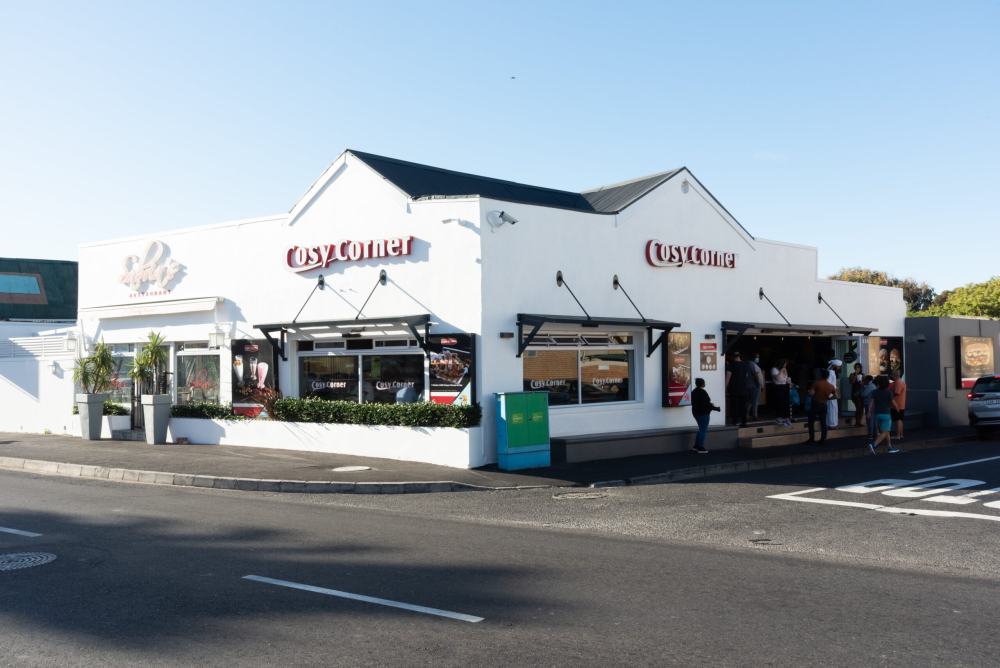
Cosy Corner
Wynberg’s historic 1973 sit-down Halaal institution on Ottery Road, world-famous for flame-chargrilled Full House Rump Steak…

Wembley Roadhouse
Cape Town’s legendary 1930s nostalgic drive-in roadhouse in Athlone, world-renowned for carhop window service, towering double-decker…
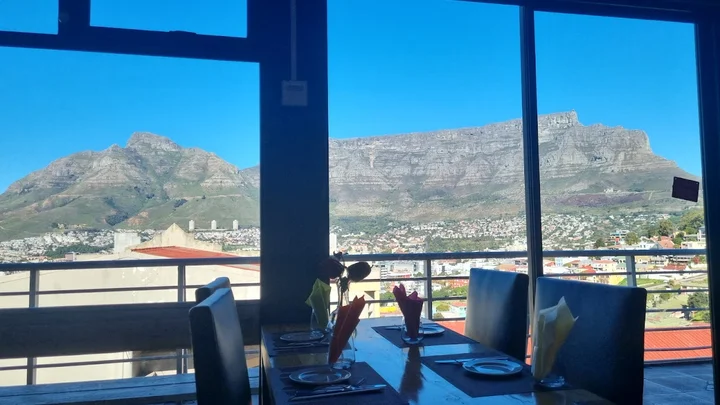
Bo-Kaap Kombuis
Authentic Cape Malay family restaurant perched high on August Street in Bo-Kaap/Schotsche Kloof, offering panoramic Table…
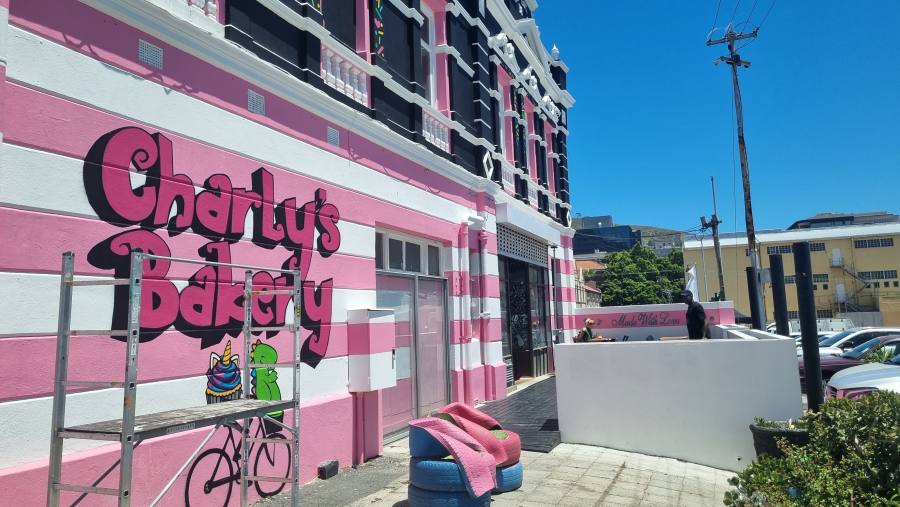
Charly’s Bakery
Plan a Charly’s Bakery stop on Canterbury Street in District Six for cakes, cupcakes, pastries and…

Brash Burgers
Explore Brash Burgers in Sea Point for smashburgers, fries and casual diner-style food on Regent Road.

Jerry’s Burger Bar
High-energy New York-style burger bar on Regent Road in Sea Point, famed for its stuffed gourmet…
Curated Travel Routes
View all tours →
Curated Private Packages & Circuits
 Private package
Expedia’s Cape Town Grand Tour: City Stories, Beaches and Wine-Country Roads
A creator-inspired Cape Town route through city history, beaches, wildlife, mountains, False Bay and the Winelands.
Castle of Good Hope
Company’s Garden
Iziko South African Museum & Planetarium Cape Town
Iziko South African National Gallery
 Private package
Martijn’s Cape Town Route: 10 Stops from Table Mountain to the Penguins
Follow Martijn Around The World through Table Mountain, Robben Island, the V&A Waterfront, Cape Point, Boulders Beach, Bo-Kaap, Cape Town…
Table Mountain
Robben Island
V&A Waterfront
Cape Point
 Private package
Rhett & Claire’s Cape Town Route: The Perfect 10-Day Adventure
A creator-inspired ten-day Cape Town framework through the Peninsula, beaches, mountains, safari, Winelands, museums, heritage and food.
Sea Point Promenade
V&A Waterfront
Table Mountain
Constantia
 Private package
Topline Travels’ Cape Town Adventure: Coast, Wine and Mountain Views
A creator-inspired Cape Town route through penguins, ocean roads, mountain trails, markets, neighbourhoods, beaches and the Winelands.
Green Point Park and Biodiversity Showcase Garden
Boulders Beach
Chapman’s Peak Drive
Lion’s Head
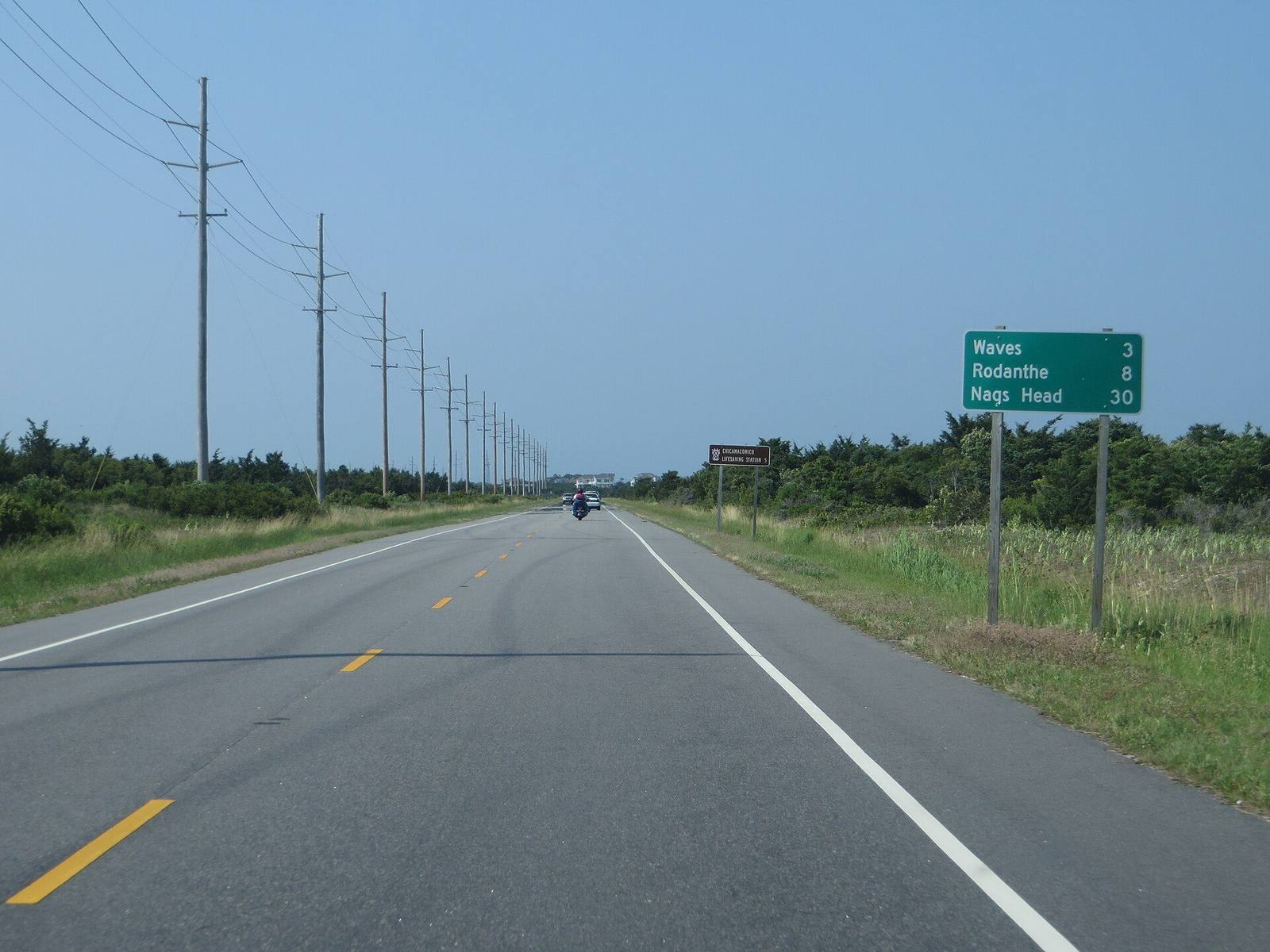 Private package
Cape Peninsula Coast and Wildlife Day
A full Peninsula day connecting Cape Point, penguins, Chapman’s Peak and Hout Bay into one scenic route.
Cape Point
Boulders Beach
Chapman’s Peak Drive
Hout Bay Harbour
 Private package
Cape Town Family Discovery Plan
A family-friendly mix of penguins, gardens, waterfront time and easy coastal discovery with room for changing energy levels.
Boulders Beach
Kirstenbosch
V&A Waterfront
Muizenberg and Kalk Bay Coast
Destination Categories