Duration
Cape Town Destination
Cape Point
Plan Cape Point with lighthouse routes, Cape of Good Hope scenery, trails, current fees, wind, baboon safety, access and Peninsula itineraries.
Cape Town for Families
Cape Town Nature and Hiking
Cape of good hope
Cape point
First visit
Hiking
Lighthouse
Nature reserve
Sanparks
Scenic drive
Wildlife
Adventure Explorer
All Travellers
Family & Kids
Nature & Photography
Destination Story
About Cape Point
Cape Peninsula national-park and lighthouse guide
Cape Point: Cape Town Visitor Guide
Cape Point is the exposed headland within the Cape of Good Hope section of Table Mountain National Park. Come for the lighthouses, cliffs, fynbos and ocean views, but plan around conservation fees, wind, baboons, walking time and the difference between the main viewpoint and the wider reserve.
Cape Point at a glance
- Setting
- Cape of Good Hope section, Table Mountain National Park, at the southern end of the Cape Peninsula
- Allow
- At least 3–4 hours inside the reserve for Cape Point and the Cape of Good Hope; a full day when combined with Boulders or Simon’s Town
- Best for
- Coastal scenery, lighthouses, fynbos, wildlife, photography and Peninsula road trips
- Access
- Road access reaches the main parking area; the lighthouse viewpoint includes inclines and steps, while the Flying Dutchman funicular is the lower-effort option when operating
- Current variable
- Gate times, conservation fees, funicular operation, weather, trails and wildlife conditions change
What is Cape Point?
Cape Point is a dramatic promontory inside the Cape of Good Hope section of Table Mountain National Park. It is often described as the southwestern tip of Africa, but the official geographic extreme is Cape Agulhas; Cape Point’s importance is its cliffs, maritime history, biodiversity and position at the end of the peninsula.
The main Cape Point node is only one part of a much larger protected landscape. Roads, viewpoints, beaches, fynbos trails, picnic sites and wildlife habitats reward a slower visit than a quick photograph at the sign.
Lighthouses and maritime history
The original Cape Point lighthouse was commissioned in 1860 high above the sea. Its cloud-prone position and exposure to lightning helped lead to the lower New Cape Point Lighthouse at Diaz Point, commissioned in 1919. The older structure is now a visitor viewpoint, while the newer lighthouse remains part of the maritime navigation story.
The coast’s unpredictable weather and rocks made Cape Point a critical navigation landscape. Treat the lighthouse visit as heritage as well as scenery, and do not reduce the site’s history to the Flying Dutchman legend.
Things to see and do
Reach the old lighthouse
Walk from the main parking area or use the Flying Dutchman funicular when it is operating; expect wind, inclines and steps near the viewpoint.
Visit the Cape of Good Hope
Drive south to the sign and coastal viewpoints, allowing time for queues, parking and the exposed conditions.
Walk a short trail
Choose a route suited to daylight, footwear and weather; some paths descend towards beaches and rocky coast rather than staying level.
Look for wildlife
Keep distance from baboons, ostriches, antelope and other wildlife. Sightings are never guaranteed and animals are not attractions to feed.
How to plan the Peninsula route
| Plan | Practical sequence |
|---|---|
| Full Peninsula day | Muizenberg or Simon’s Town → Boulders → Cape Point → Cape of Good Hope → return via the Atlantic route if Chapman’s Peak is open |
| Cape Point focus | Enter early, visit the lighthouse, take a short trail or picnic, then continue to the Cape of Good Hope sign |
| Mobility-aware day | Prioritise the main viewpoint, restaurant and confirmed funicular operation; keep beaches and steep trails optional |
| Weather-flexible day | Keep Simon’s Town, museums or lower-level coastal stops as alternatives if wind, rain or visibility undermines the exposed headland |
Do not schedule Cape Point as a ten-minute photo stop. Gate queues, wildlife on the road, wind and the distance between nodes can reshape the day.
Opening times, fees and the funicular
Cape Point’s visitor operator currently publishes seasonal gate and facility hours and rates valid from 1 November 2025 to 31 October 2026. The published standard entry reference is R515 for adults and R250 for children, while South African and SADC rates differ; SANParks manages gate entry. The Flying Dutchman funicular is separately priced, and its operation can be affected by maintenance or weather.
These are dated planning references, not permanent prices. Check the official visitor page and SANParks ticket information immediately before travelling, and carry the identification required for concessionary rates.
Accessibility and mobility
The main car parks, restaurant area and lower funicular station provide the most practical starting points for visitors with limited walking ability, but the upper lighthouse route includes inclines and steps. Funicular operation and maintenance status matter: the operator has previously provided a shuttle during maintenance but noted that the shuttle and walking route were not wheelchair suitable.
Contact the operator before travel if your group needs a wheelchair-compatible route, toilet, transfer or seating arrangement. Do not infer whole-site accessibility from one accessible facility.
Safety, weather and wildlife
Cape Point is exposed and weather can change quickly. Wear a windproof layer, carry water, use marked paths and turn back before visibility or daylight deteriorates. SANParks states that there are no lifeguards along the Cape Point coast; beaches and tidal pools are not automatically safe swimming places.
Baboons are wild and food-conditioned. Keep food sealed and out of sight, never feed or approach them, and do not leave snacks in a vehicle with windows open. Use normal vehicle and personal-security precautions, especially at isolated viewpoints.
What visitors commonly report
Visitors commonly praise the scale of the cliffs, lighthouse views, fynbos and sense of reaching the end of the peninsula. The recurring qualifications are strong wind, long driving distances, crowds at iconic signs, baboons, fee cost and the fact that the reserve needs more time than a single viewpoint. These are attributed visitor patterns, not a guarantee of clear weather or quiet paths.
Cape Point frequently asked questions
Is Cape Point the southernmost point of Africa?
No. Cape Point is the dramatic southwestern headland; Cape Agulhas is the official southernmost point of Africa.
How long should you spend at Cape Point?
Allow at least three to four hours inside the reserve for the lighthouse area, Cape of Good Hope sign and a short walk. A full day works better when adding Boulders or Simon’s Town.
Can you walk to the Cape Point lighthouse?
Yes, from the main parking area, but the route includes inclines and steps. The Flying Dutchman funicular is the lower-effort option when operating.
Are there baboons at Cape Point?
Yes. Keep food hidden, never feed them and follow ranger and signage instructions.
Is Cape Point wheelchair accessible?
Some main facilities may be accessible, but the upper lighthouse route and many trails are not uniformly step-free. Confirm the exact current arrangement before visiting.
Can you swim at Cape Point?
Do not assume so. SANParks states there are no lifeguards along the Cape Point coast; conditions, currents and access vary.
Planning sources
This guide separates documented lighthouse and park information from visitor experience. Fees, hours, funicular operation, weather, trails and wildlife conditions are volatile. Information reviewed: 22 September 2026.
Cape Point visitor information SANParks gate tickets SANParks lighthouse heritage SANParks safety guidance SANParks picnic and coast guidance Featured image source and licence
What should I confirm before visiting Cape Point?
Check the current opening information, access conditions, pricing, weather and any booking requirements before travelling. Allow enough time for the experience and follow the venue’s or site’s current safety guidance.
Local Planning Notes
What to keep in mind before you travel.
Check current fees, opening hours and funicular operation. Keep food sealed around baboons, use marked paths and do not assume coastal swimming has lifeguards.
01
Access & Terrain
Main facilities and lower funicular station are the most practical areas; upper lighthouse route and coastal trails include inclines, steps and uneven surfaces.
02
Best Visit Time
Early in the day; check seasonal hours and weather.
03
Verified Chauffeur
Igshaan Jonathan · Local Route Planner
04
Private Vehicle
Door-to-door flexibility on your terms.
Explore Further
View all places →
Curated Places in Cape Town for Families
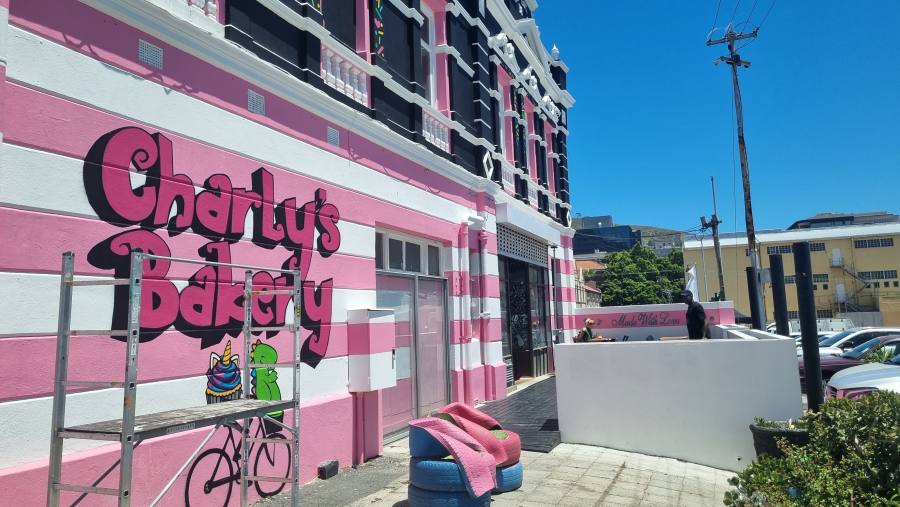
Charly’s Bakery
Plan a Charly’s Bakery stop on Canterbury Street in District Six for cakes, cupcakes, pastries and…
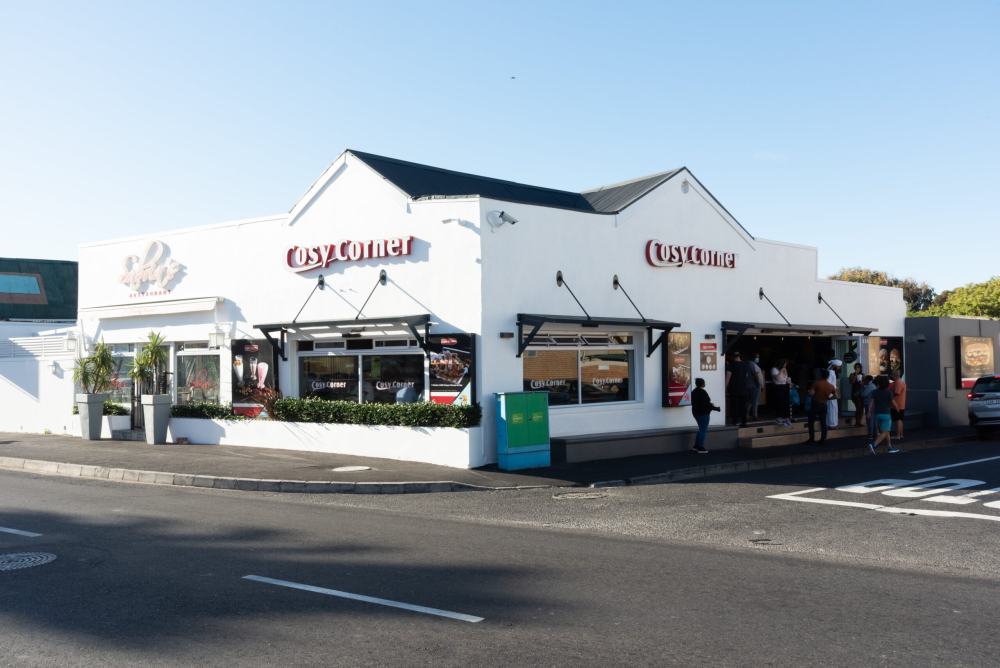
Cosy Corner
Wynberg’s historic 1973 sit-down Halaal institution on Ottery Road, world-famous for flame-chargrilled Full House Rump Steak…

Wembley Roadhouse
Cape Town’s legendary 1930s nostalgic drive-in roadhouse in Athlone, world-renowned for carhop window service, towering double-decker…
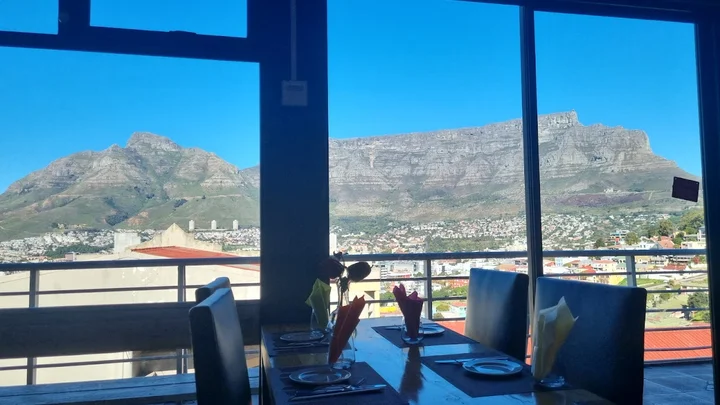
Bo-Kaap Kombuis
Authentic Cape Malay family restaurant perched high on August Street in Bo-Kaap/Schotsche Kloof, offering panoramic Table…
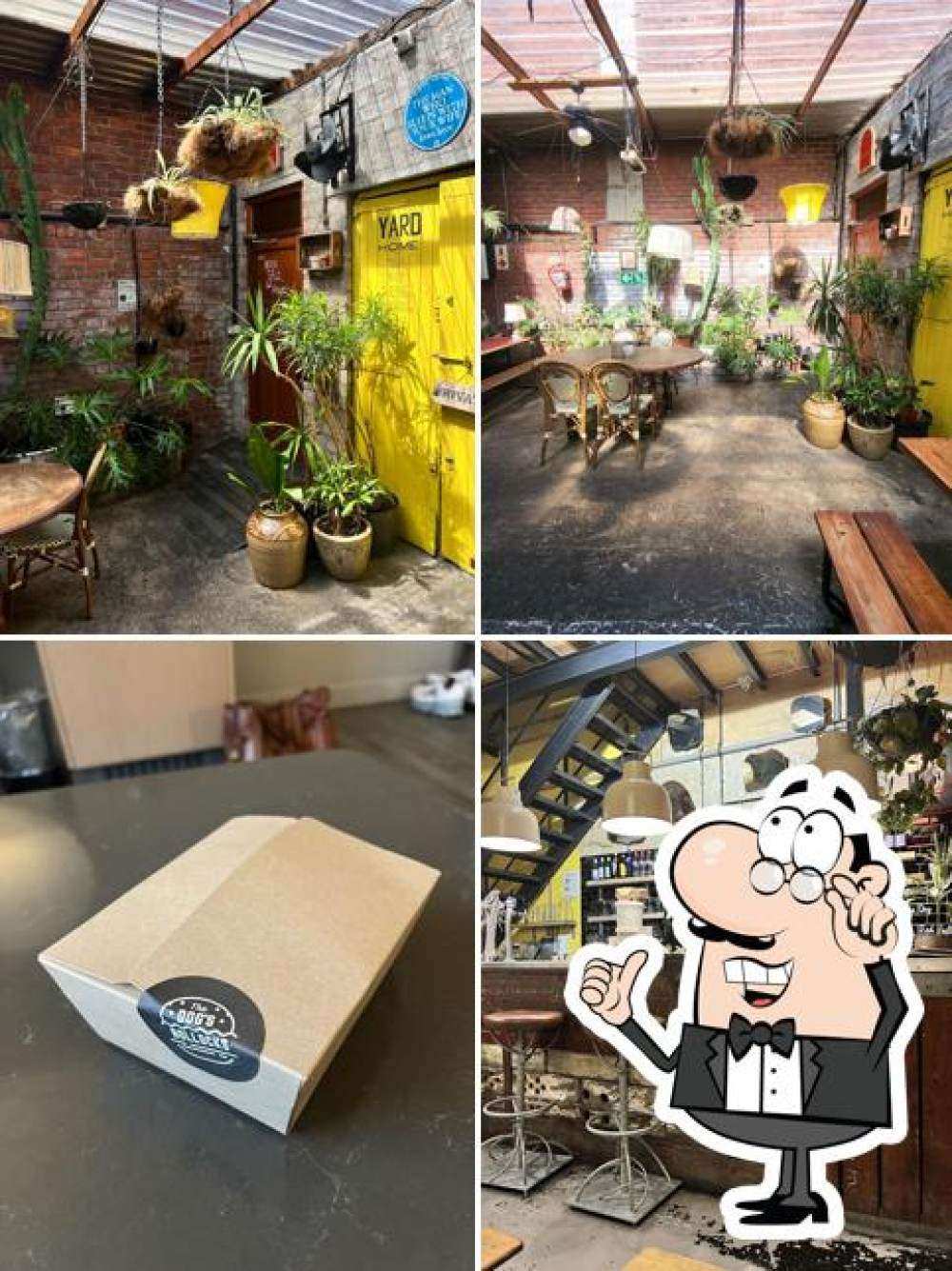
The Dog’s Bollocks at YARD
Visit The Dog’s Bollocks at YARD in Gardens for burgers, pizza and brunch; confirm the current…

Brash Burgers
Explore Brash Burgers in Sea Point for smashburgers, fries and casual diner-style food on Regent Road.
Curated Travel Routes
View all tours →
Curated Private Packages & Circuits
 Private package
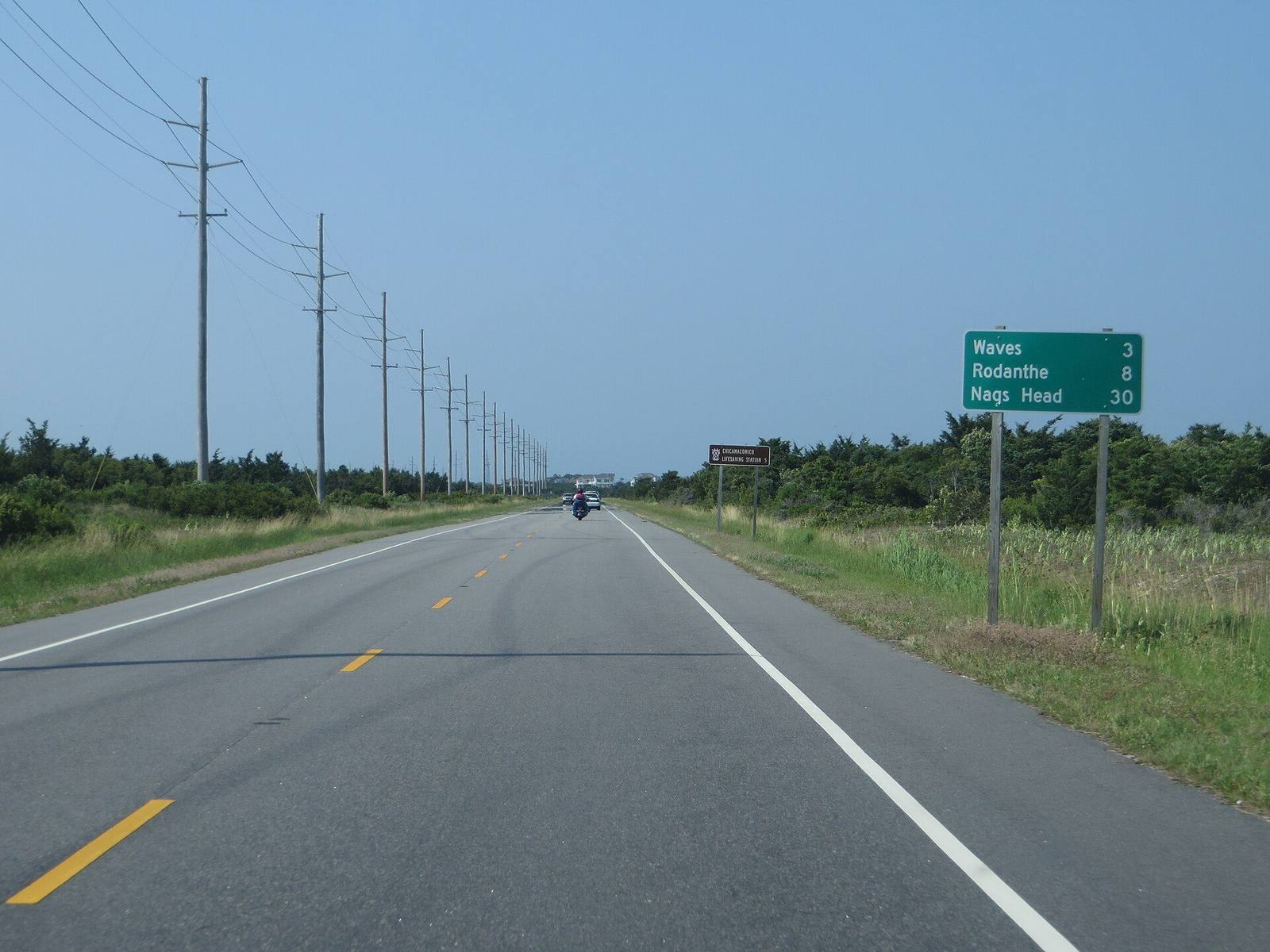
Cape Peninsula Coast and Wildlife Day
A full Peninsula day connecting Cape Point, penguins, Chapman’s Peak and Hout Bay into one scenic route.
Cape Point
Boulders Beach
Chapman’s Peak Drive
Hout Bay Harbour
 Private package
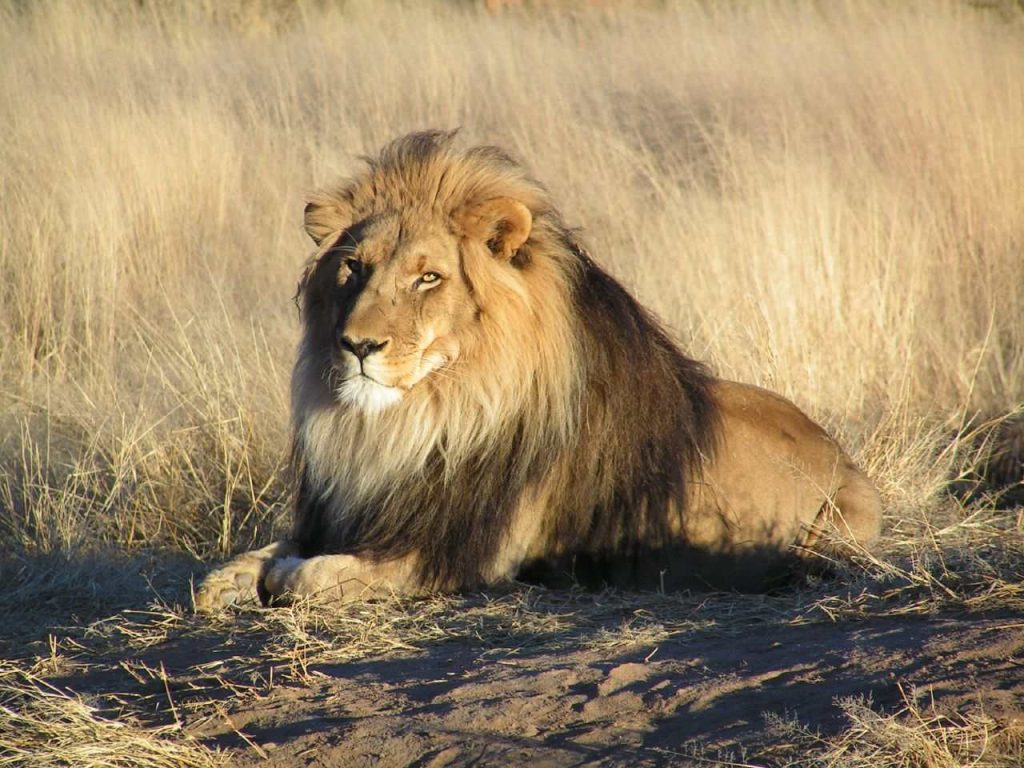
Active Cape Town and Big Outdoors
A flexible active travel package combining mountain viewpoints, a sunset and a wildlife day outside the city.
Lion’s Head
Table Mountain
Signal Hill Sunset
Aquila Private Game Reserve
 Private package
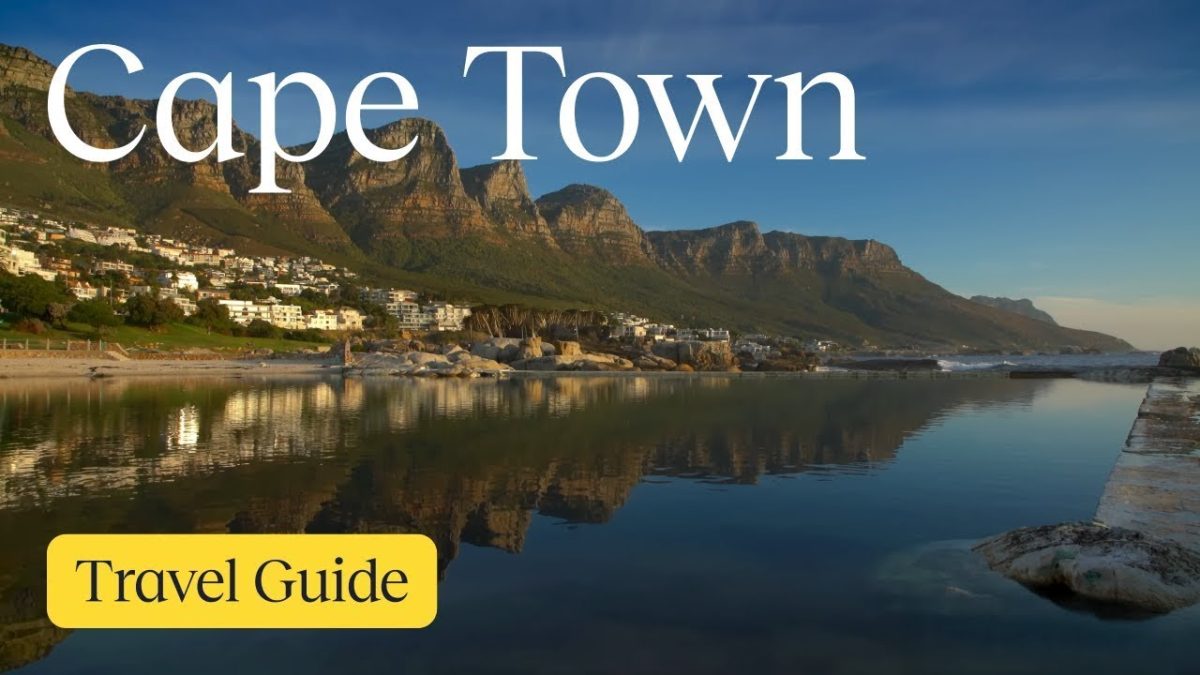
Expedia’s Cape Town Grand Tour: City Stories, Beaches and Wine-Country Roads
A creator-inspired Cape Town route through city history, beaches, wildlife, mountains, False Bay and the Winelands.
Castle of Good Hope
Company’s Garden
Iziko South African Museum & Planetarium Cape Town
Iziko South African National Gallery
 Private package
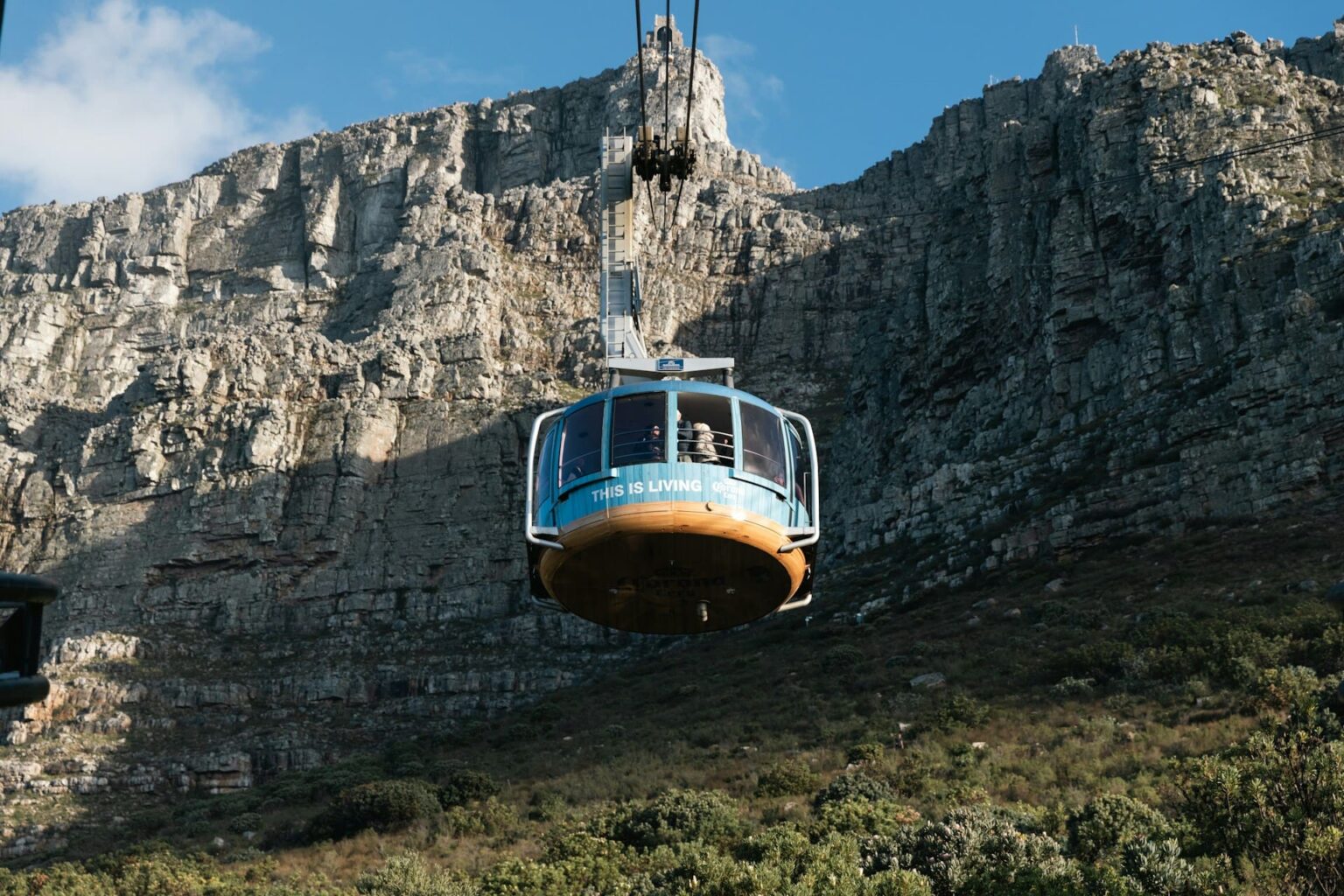
Jens Journeyz’s Cape Town Route: Coast, Wine and City Lights
A creator-inspired Cape Town route through coastlines, gardens, wine country, the Peninsula, city culture, food and sunset hikes.
Camps Bay
Sea Point Promenade
Mojo Market Sea Point
V&A Waterfront
 Private package
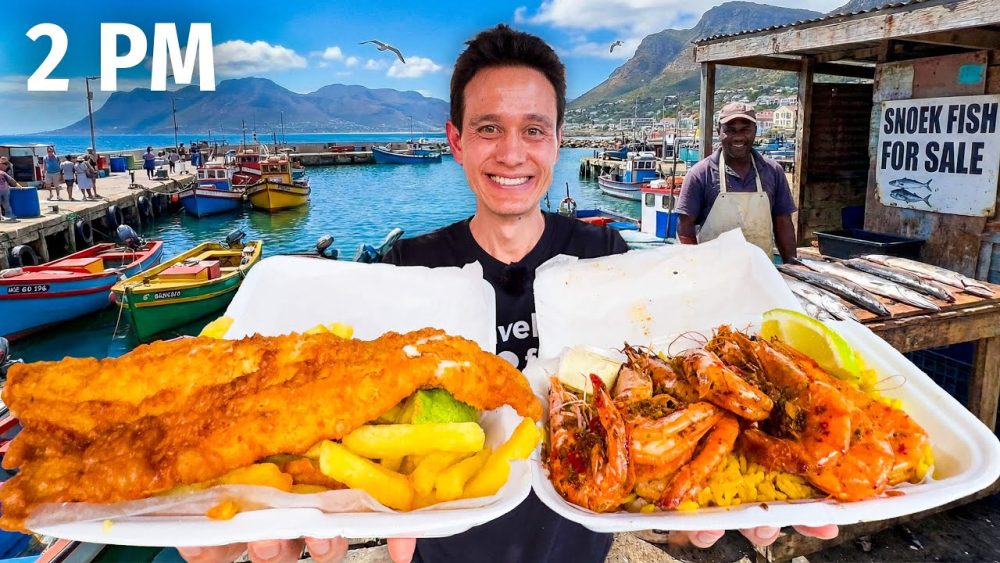
Mark Wiens’ Cape Town Food & City Challenge: Gatsby, Penguins and Constantia Wine
Follow Mark Wiens through coffee, gatsbys, Table Mountain, Constantia wine, Cape Peninsula seafood and Cape Malay cooking.
Truth Coffee Cape Town
Mariam’s Kitchen
Table Mountain
Constantia Glen Wine Estate Cape Town
 Private package
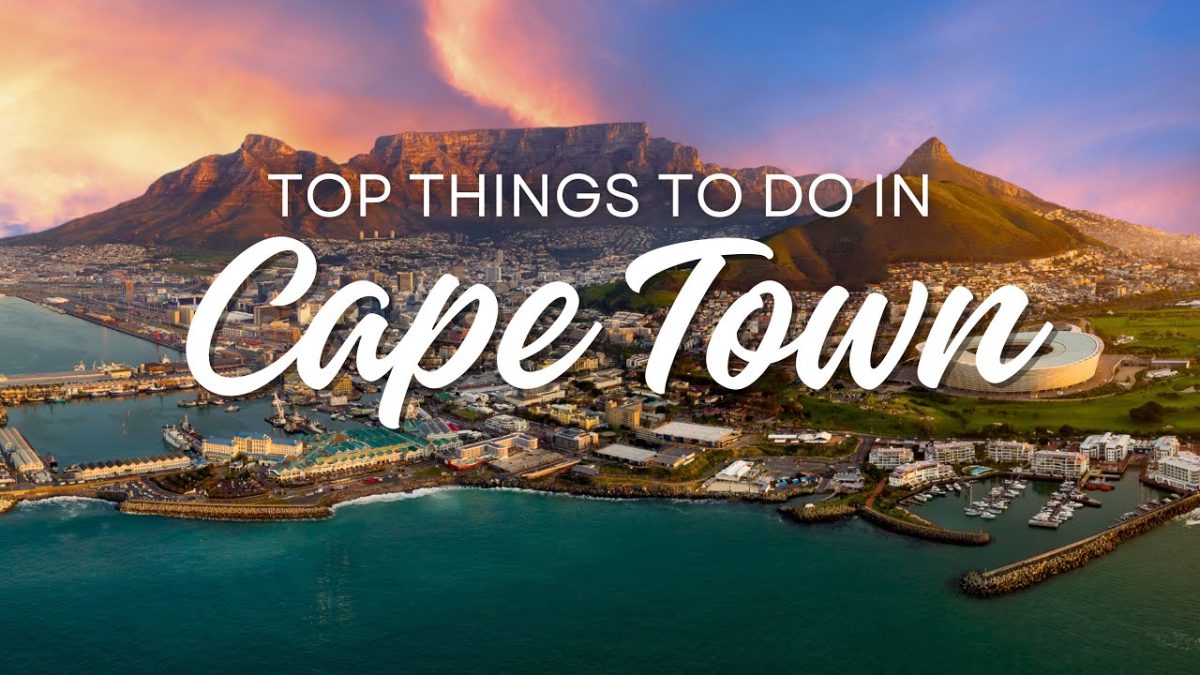
Martijn’s Cape Town Route: 10 Stops from Table Mountain to the Penguins
Follow Martijn Around The World through Table Mountain, Robben Island, the V&A Waterfront, Cape Point, Boulders Beach, Bo-Kaap, Cape Town…
Table Mountain
Robben Island
V&A Waterfront
Cape Point
Destination Categories