A first Cape Town itinerary works best when it follows the city’s geography. Put nearby places together, protect the days that depend on clear weather, and leave enough space for the trip to feel like a holiday rather than an entrance exam.
Give each day a centre of gravity
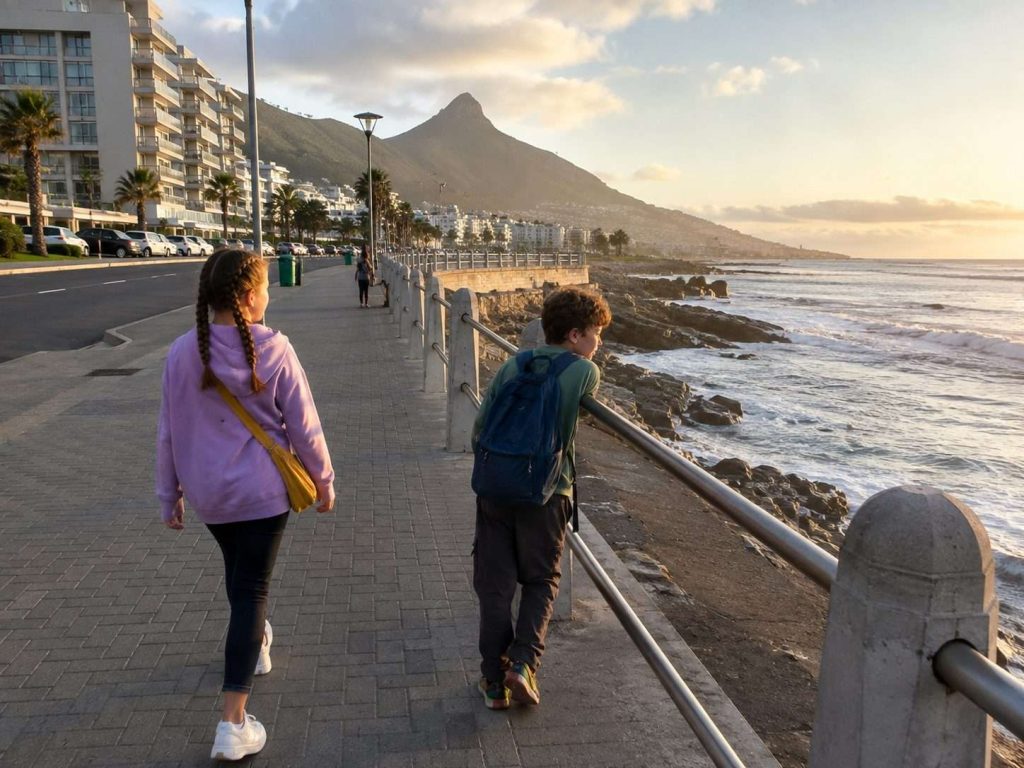
Start by choosing one main area or route for each day: the City Bowl and nearby cultural sights, the Atlantic seaboard, the Cape Peninsula, or the Winelands. Add one or two close companions, not five distant ones. Cape Town’s map looks friendly; its traffic can be more opinionated.
Put weather-sensitive plans in movable slots
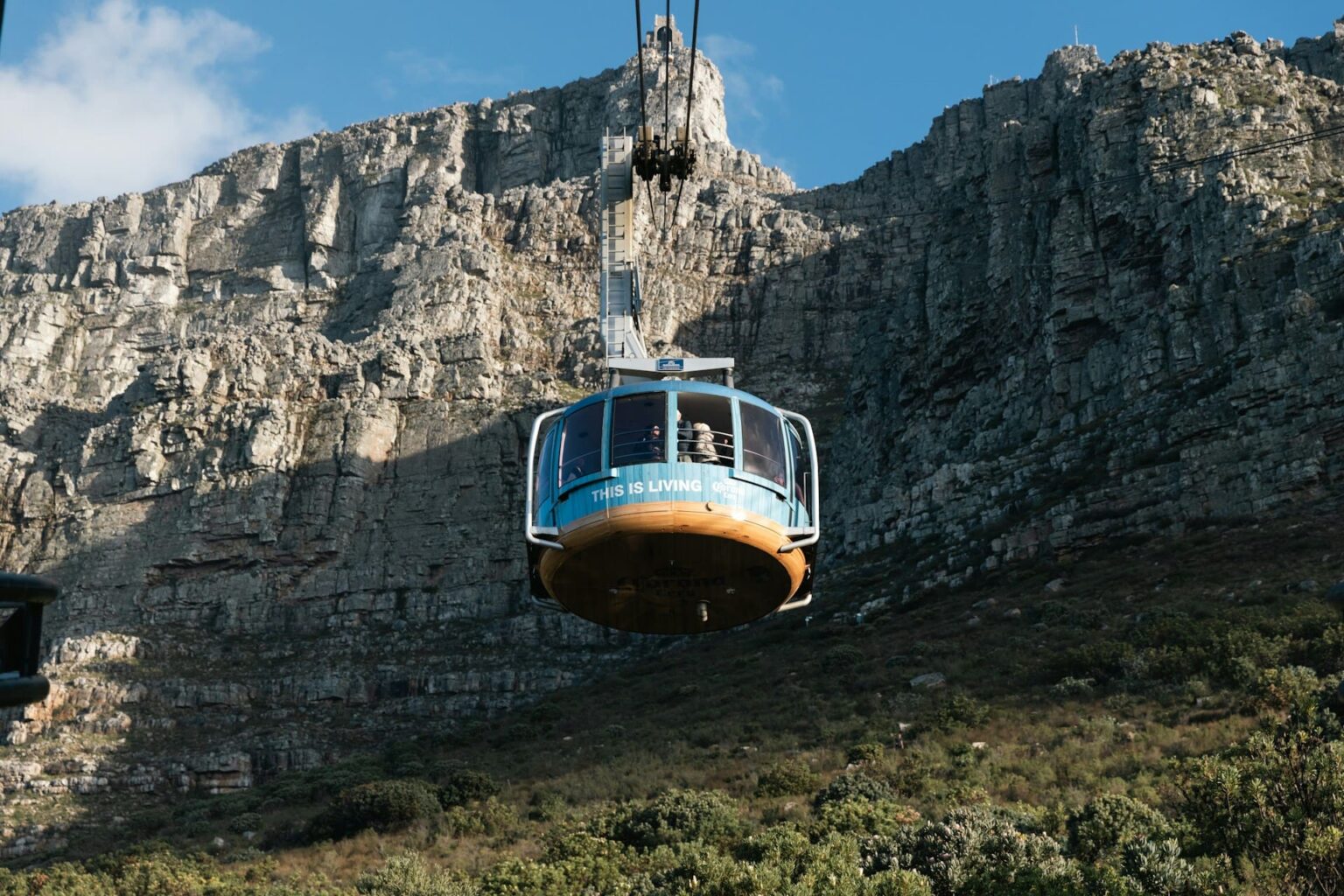
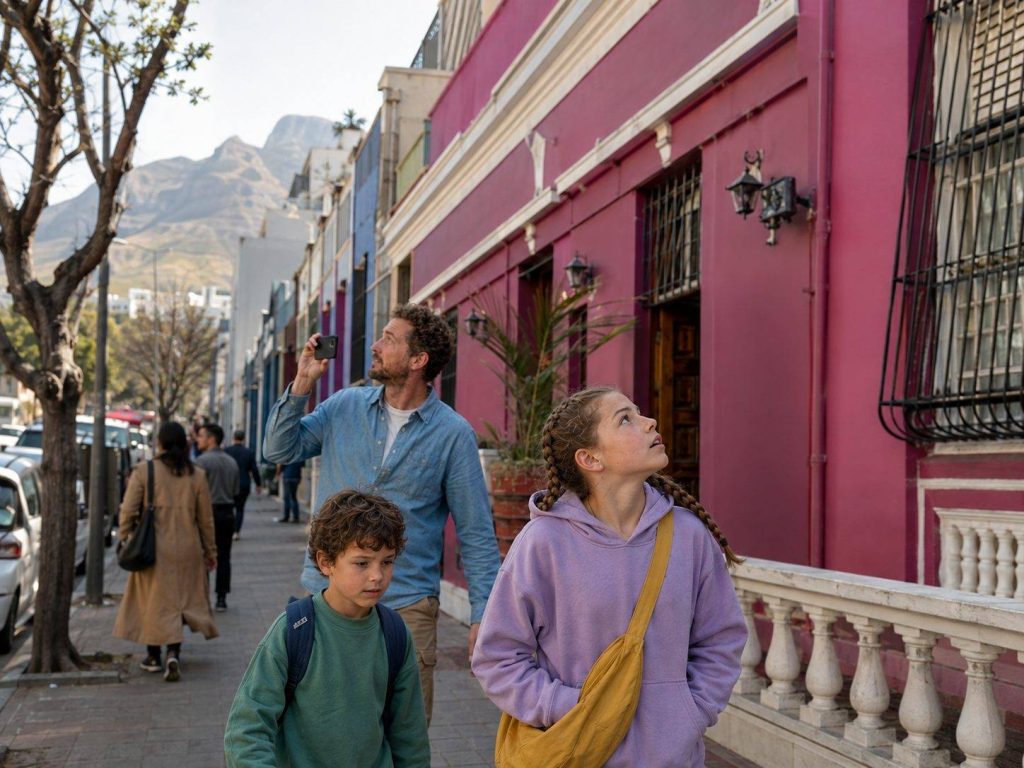
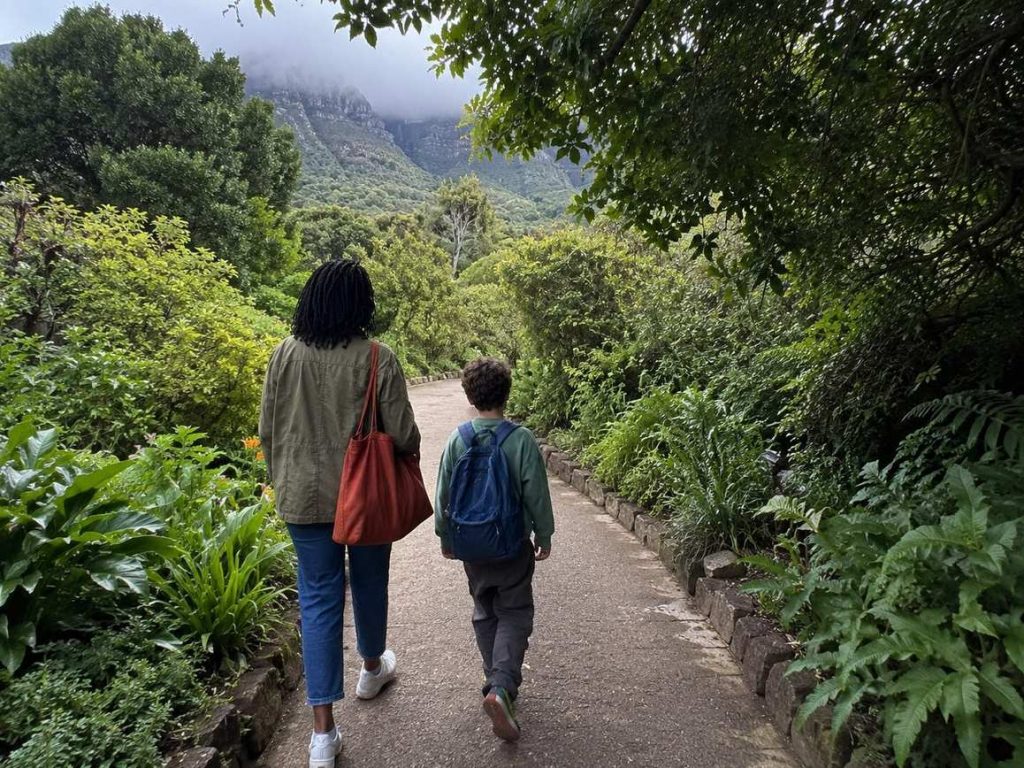
Mountain views, cableway trips, hikes, and some coastal stops depend on wind, cloud, or rain. Keep these plans exchangeable. A museum, aquarium, food stop, garden, or neighbourhood wander can carry a less cooperative day while you move the view to the next clear morning.

Use a simple four-day shape
- Arrival or city introduction: keep the first day local to your base and let everyone find their feet.
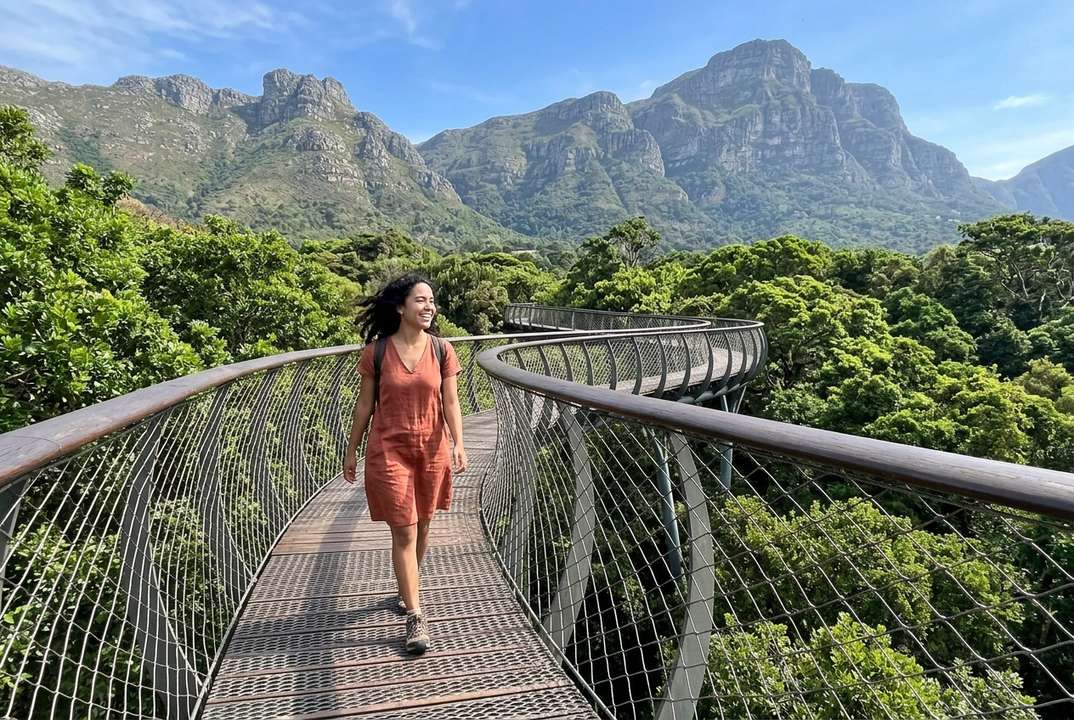
- Mountain and city: pair a weather-dependent viewpoint with nearby gardens, museums, or a good meal.
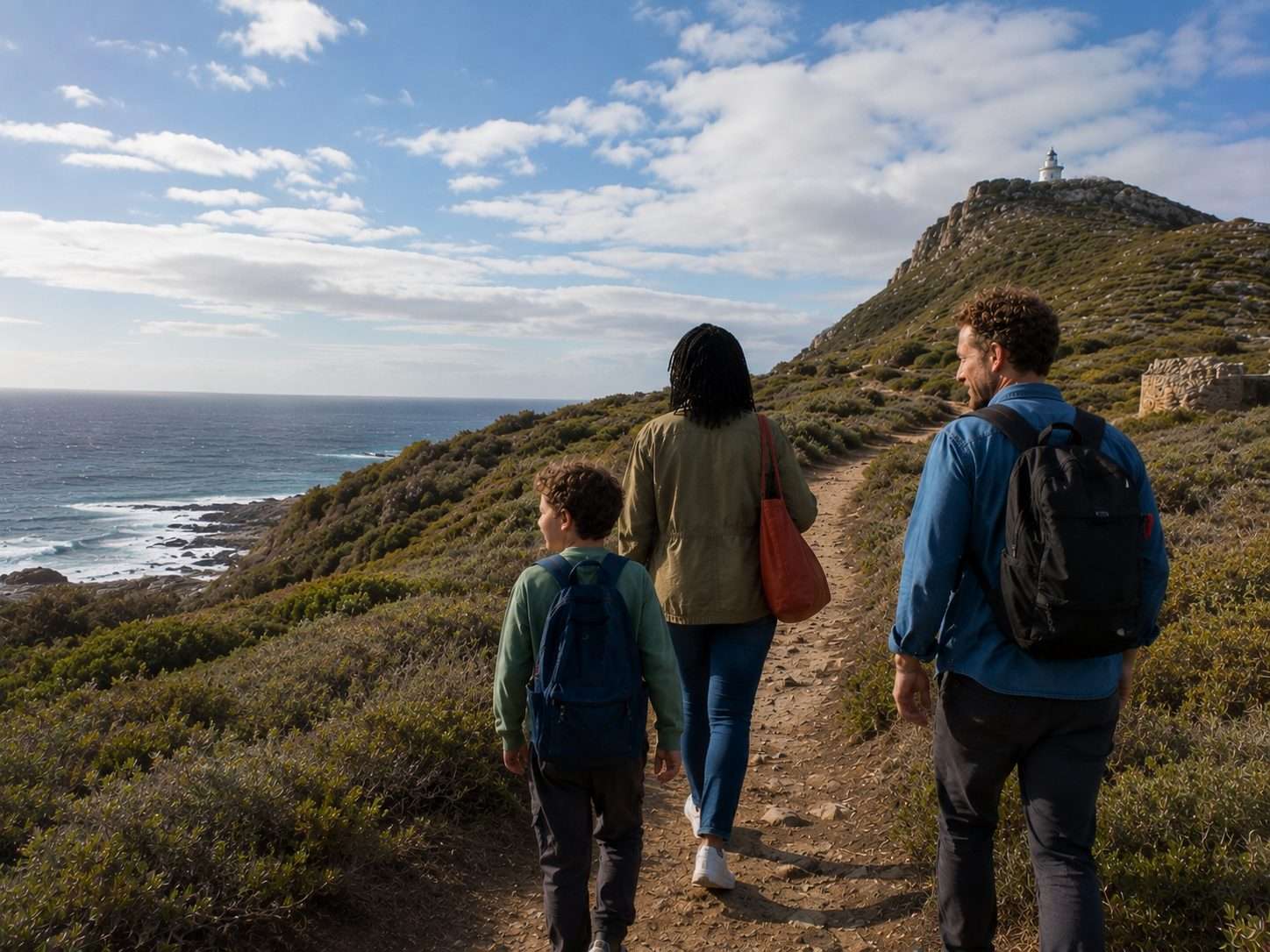
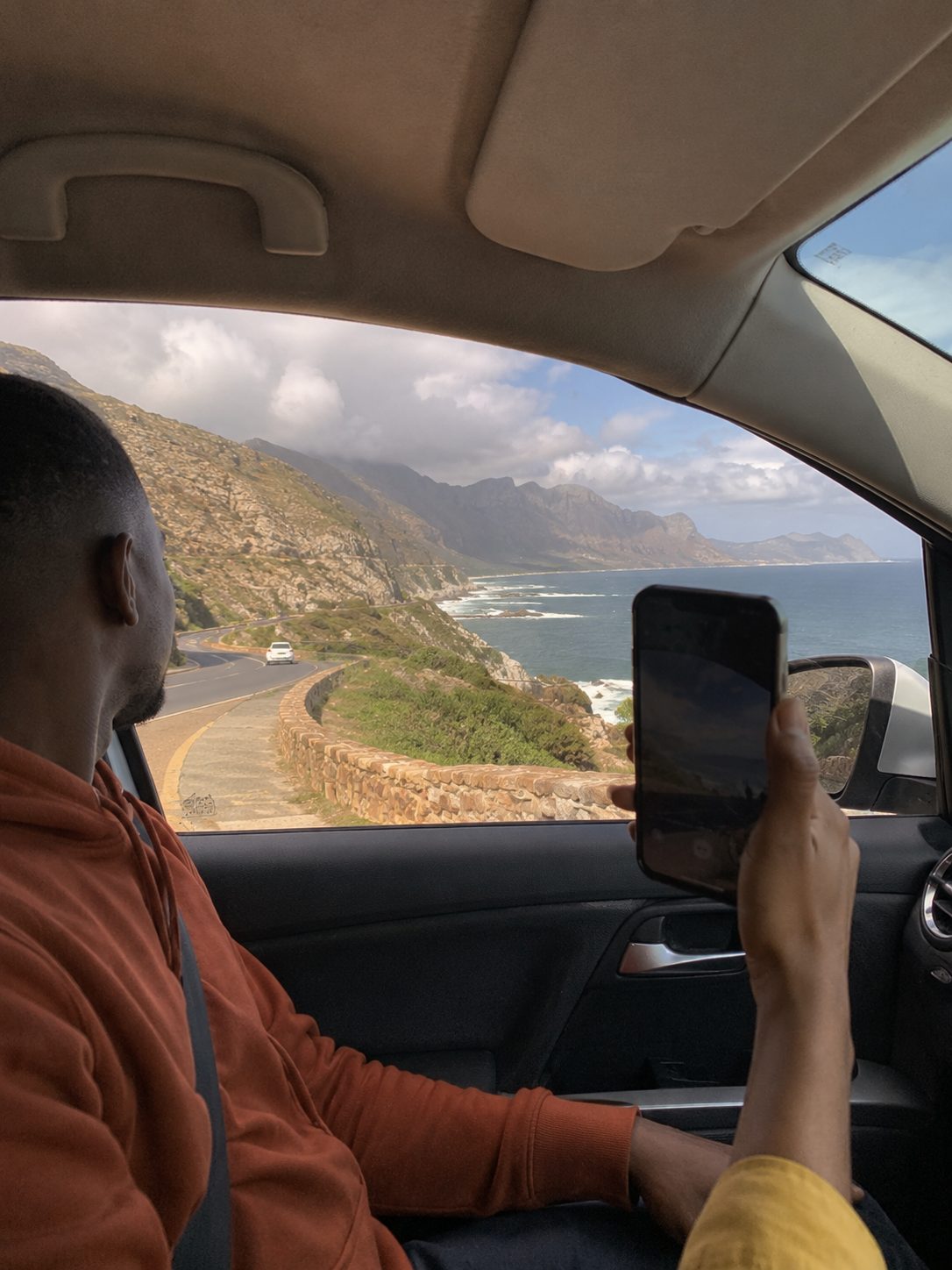
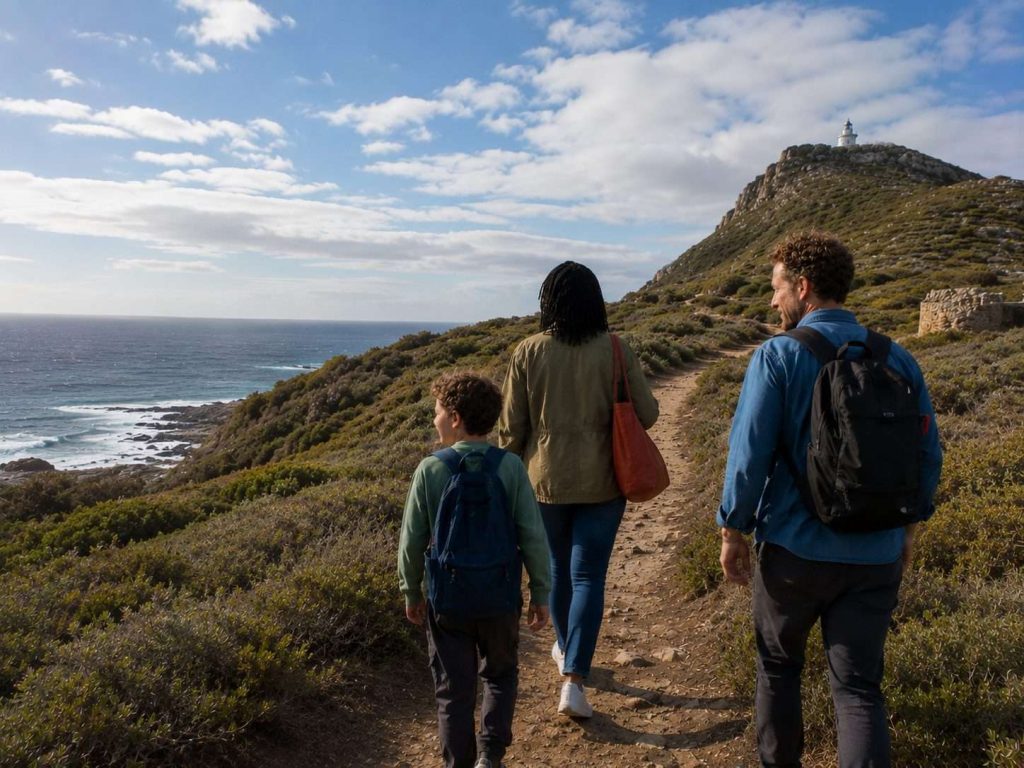
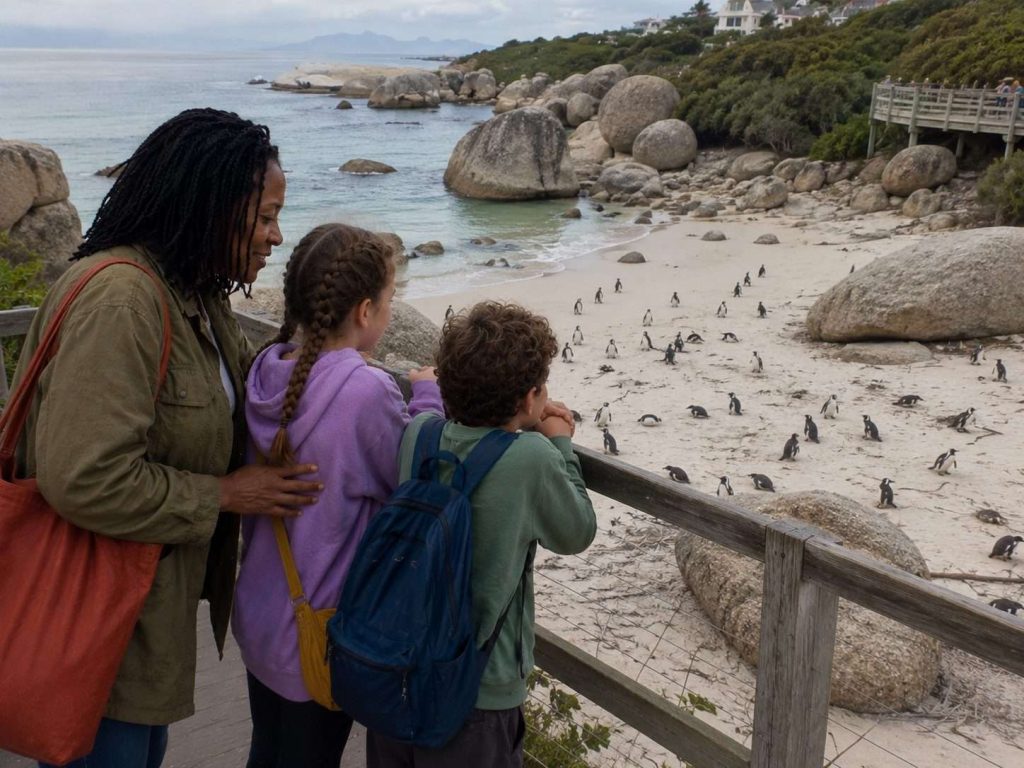
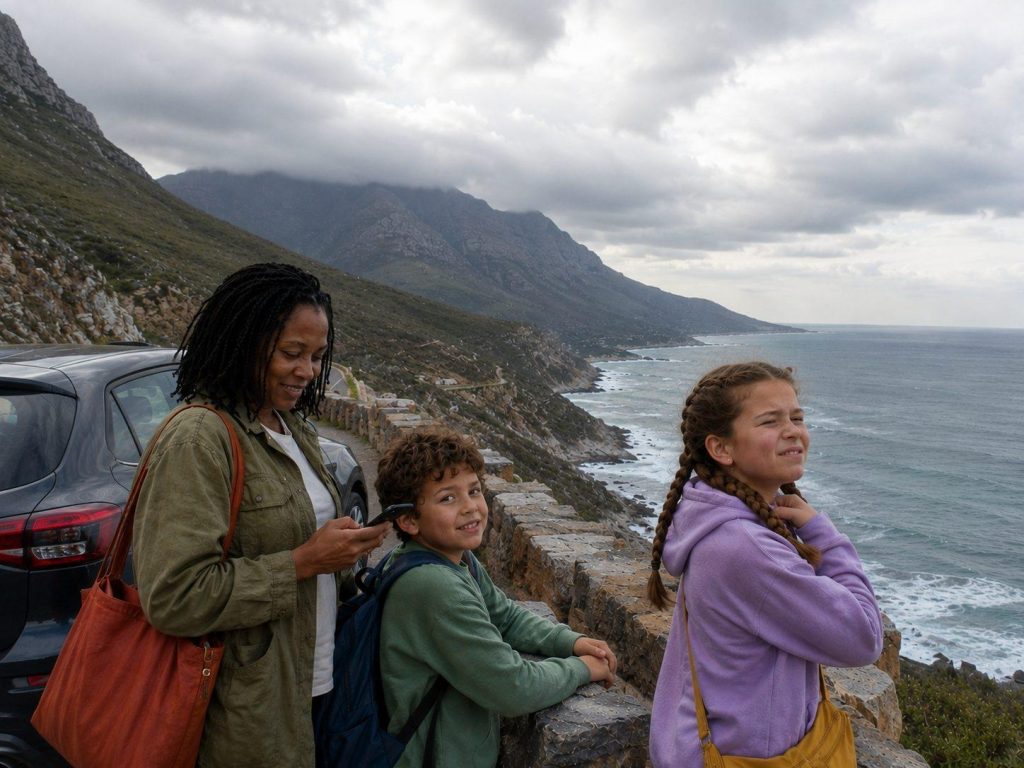
- Peninsula day: allow time for stops rather than treating the coast as a drive-through.
- Open choice: use the forecast and your group’s energy to choose Winelands, beach, neighbourhood, or a slower repeat visit.

Build in the unglamorous minutes
Allow time for hotel check-in, parking, queues, breakfast, photographs, and the person who has sensibly stopped for coffee. Confirm opening hours and weather-dependent operations close to the day itself. If a route includes a timed ticket, make that the anchor and keep the rest nearby.

Make the plan easy to change
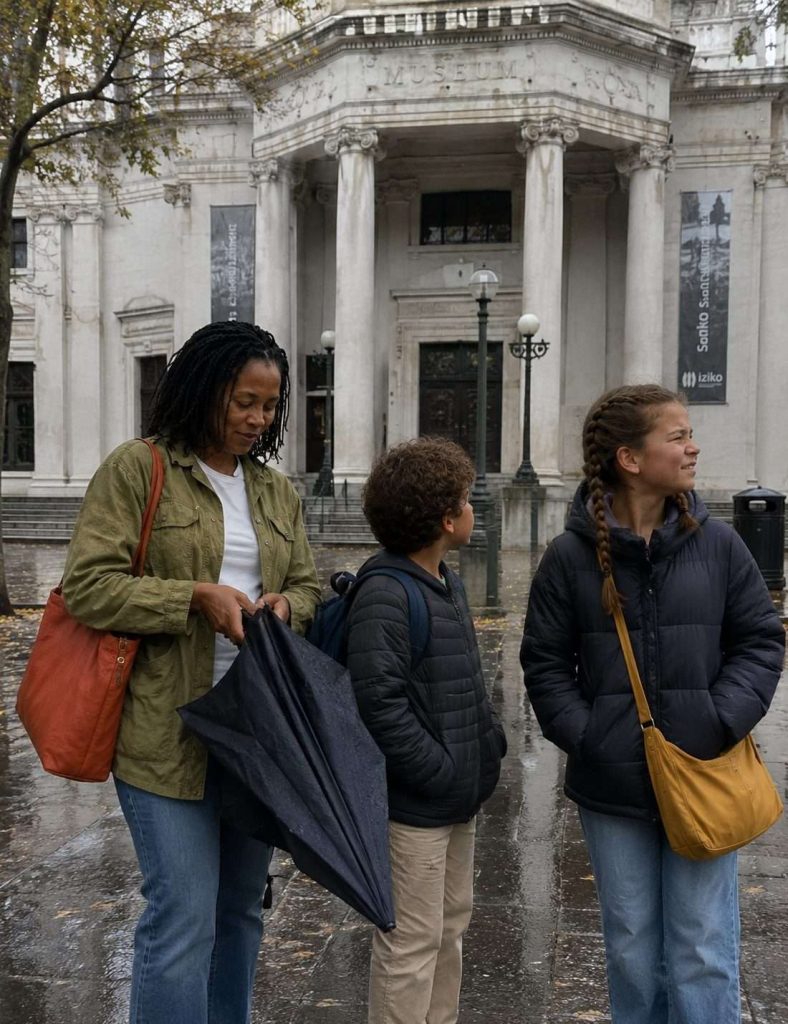
Write each day with a main plan, a nearby add-on, and a wet-weather alternative. That small structure gives you confidence without pretending Cape Town will obey the itinerary. It usually rewards the adjustment.
For destination ideas and route-ready options, visit the Cape Town Trip Planning hub and add the places that fit your group to a TruCape Travel Plan.