There is no single best month for Cape Town. There is a best fit for the trip you want: long bright days, quieter attractions, green winter landscapes, whale season, or a better chance of booking without wrestling peak-season demand.
Summer: the big outdoor days
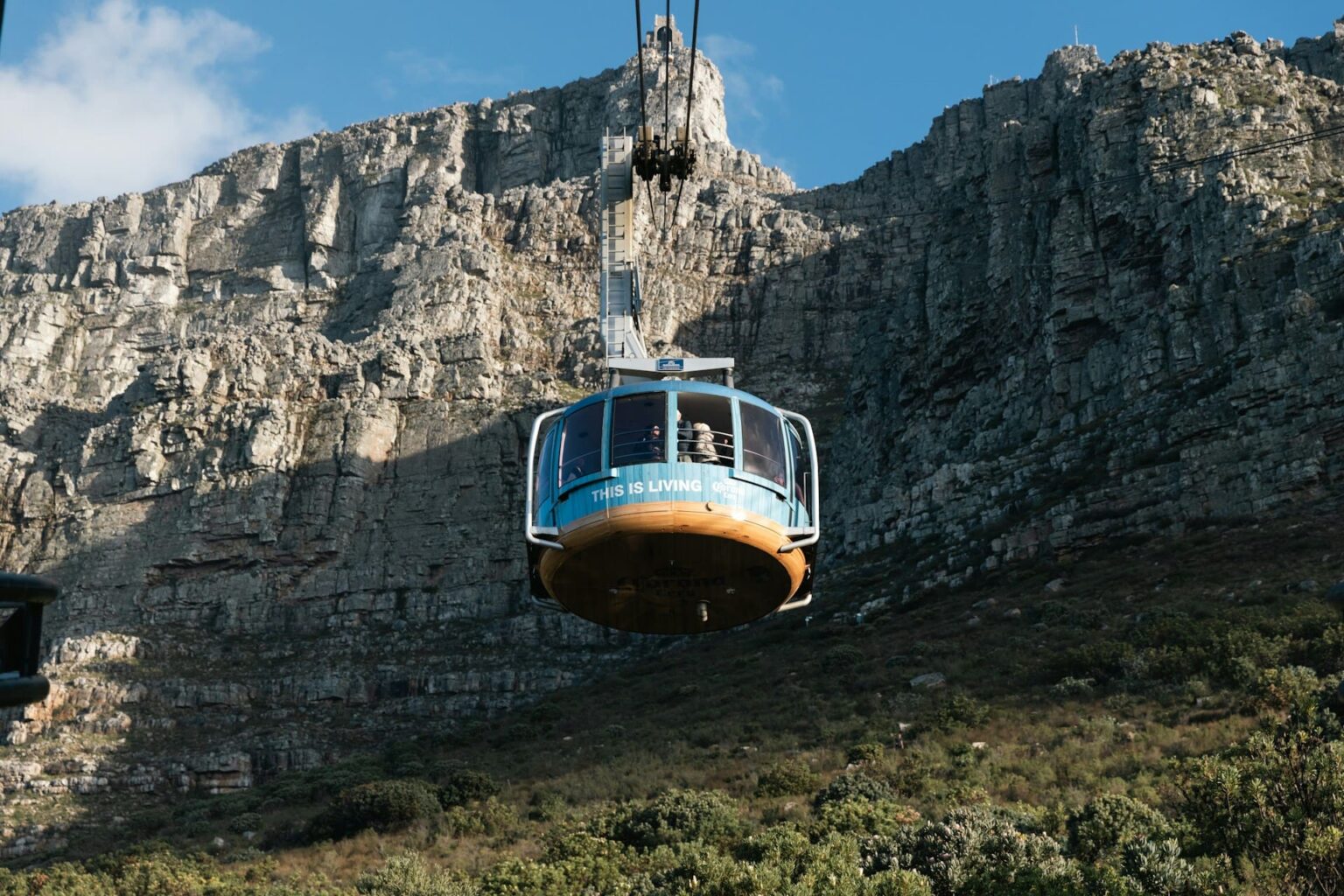
December to February is the classic high-season window. Days are long and generally dry, which suits beaches, the Cape Peninsula, viewpoints, and outdoor meals. January is especially busy, so book popular accommodation and timed attractions early. The trade-off is the south-easter: warm days can still be windy, and Table Mountain may disappear behind its famous cloud just when you had plans for the summit.
March and April: a useful middle ground
Early autumn often gives you warm days with fewer holiday crowds. It is a good fit for a first visit that wants both outdoor time and a little breathing room. Check the calendar around major events and Easter weekends, when demand can rise again. Pack for evenings that have started to lose their summer softness.

May to August: quieter, greener, more weather-led
Winter brings cooler, wetter conditions, but it also brings lower-season possibilities: quieter museums, restaurant specials, and clear days that feel wonderfully crisp. Plan each day with a weather-friendly alternative. A mountain walk, for example, should have a city, gallery, or long-lunch backup rather than a heroic argument with a cold front.

September to November: spring opens the map again
Spring gradually returns longer, milder outdoor days. September and October can be good shoulder-season months for hiking, coastal drives, and whale watching farther along the coast, while November starts to feel more summery. Conditions still vary, so leave room to move your mountain or peninsula day when the forecast earns the change.

The practical answer
- Choose summer for beaches, long daylight, and a full outdoor schedule.
- Choose March, April, October, or November for a balanced first visit with some shoulder-season breathing room.
- Choose winter for quieter city days, greener scenery, and travellers happy to trade certainty for flexibility.
Cape Town rewards a plan with a little give in it. Save the fixed bookings for the things that truly need them, and let the mountain have an opinion about the rest.
Keep planning
Use this guide with the Cape Town Trip Planning hub, then save the destinations that suit your dates to a TruCape Travel Plan.